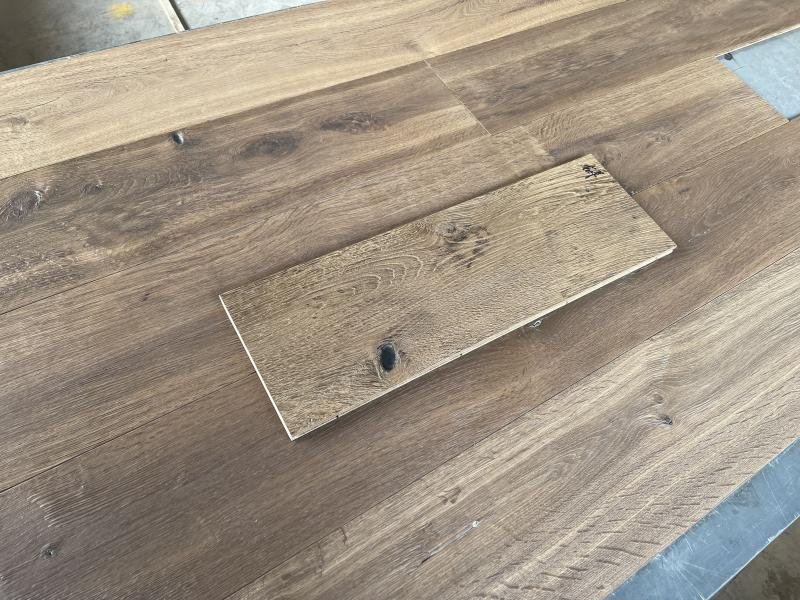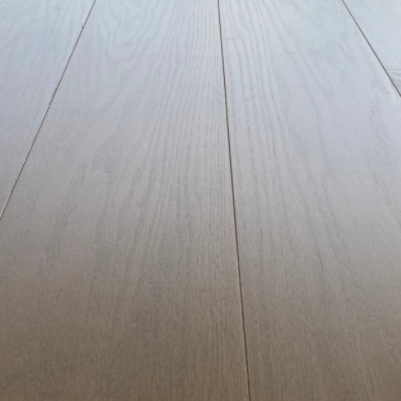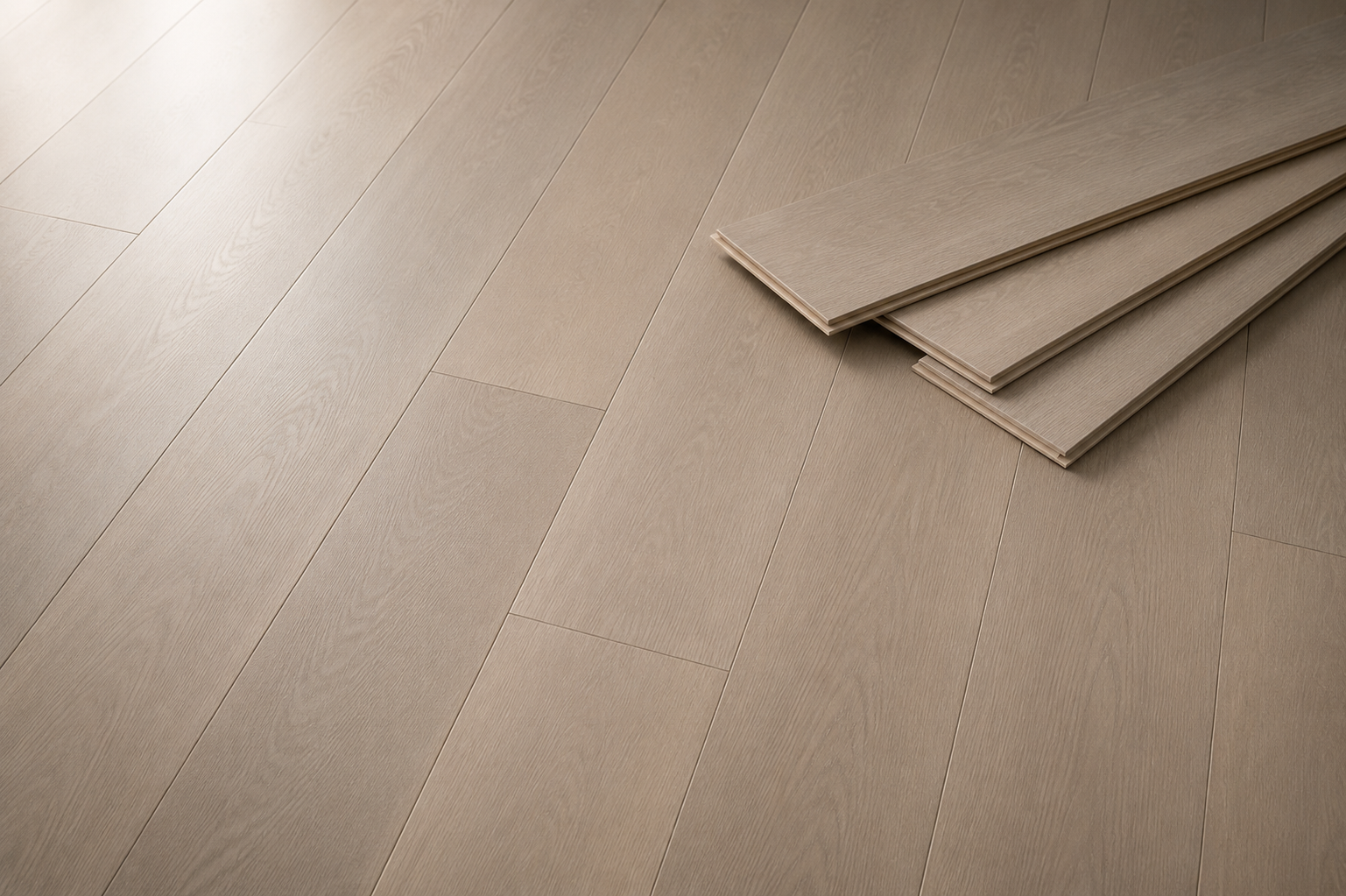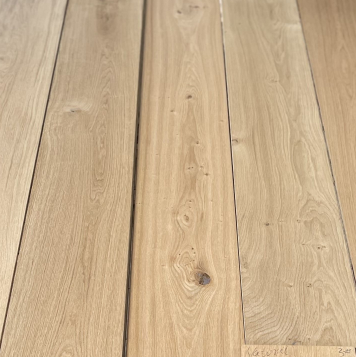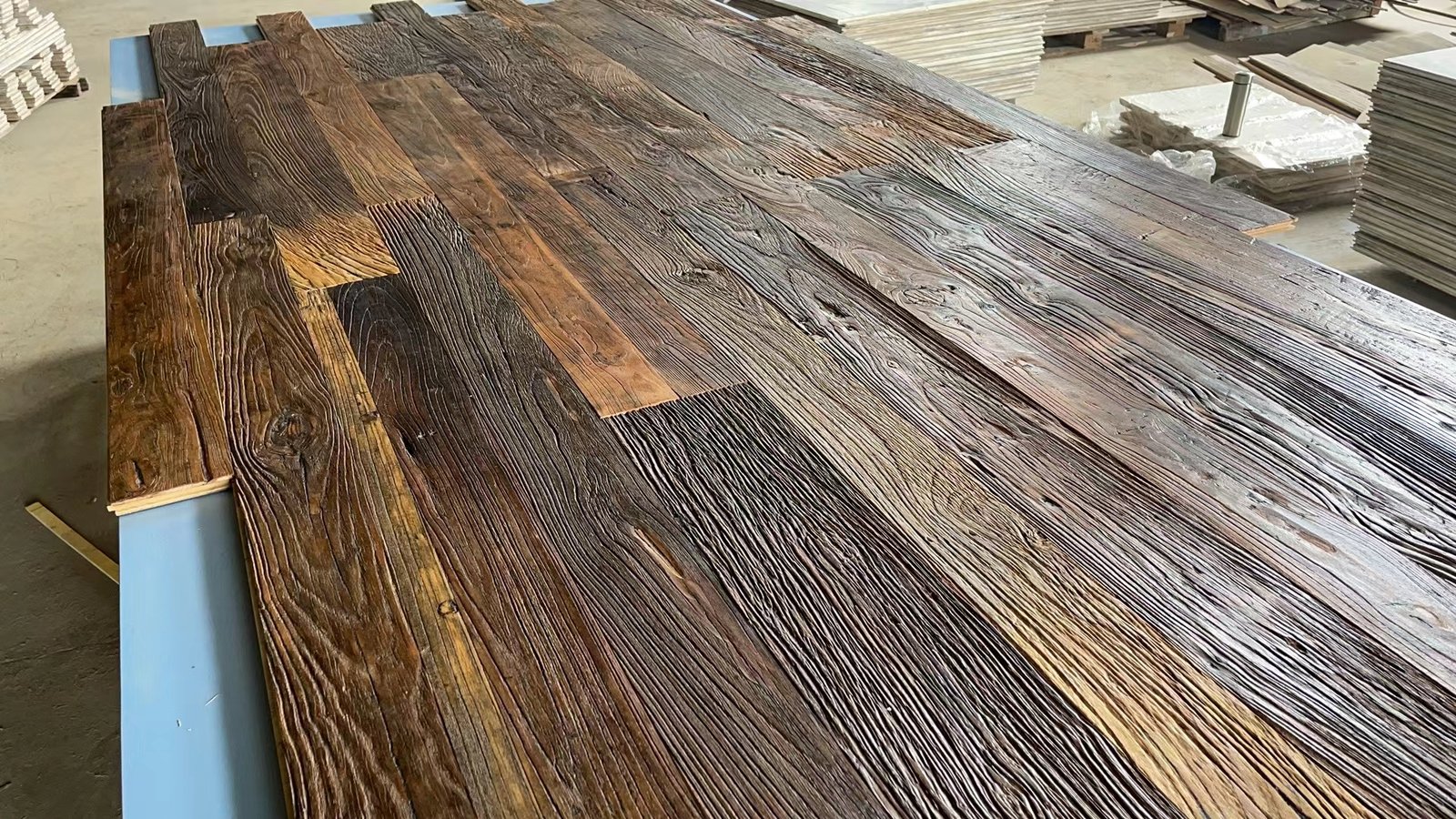
Character wood flooring describes an appearance that emphasizes natural wood features rather than a uniformly plain surface. Knots, changing grain patterns, and tonal differences help define that appearance. Depending on the product and agreed grade, repaired features may also be visible. Character is an appearance term—not a universal letter grade, a construction type, or a promise that every natural feature is acceptable.
For wholesalers, importers, and project selection teams, the useful question is: what kind of character does this specific product show? Review the overall board display, close-up photographs, and physical samples before deciding whether the appearance fits the intended collection or interior.
1. Character Wood Flooring Is Not One Fixed Grade
The word Character communicates a visual direction, but suppliers do not necessarily use it in the same way. A label alone cannot tell a buyer the accepted knot sizes, repair appearance, or degree of color variation.
Recognized grading systems also distinguish wood floors by visible natural features. The NWFA’s grade photographs illustrate differences in character marks and color variation within its own grading system. Those examples are useful background, but they do not define RIVA’s grades. NWFA
For the RIVA OEM series, the current product grades are ABC and CD. ABC uses the Premium designation within this series; that name does not automatically equal another supplier’s Select grade.
Character can describe natural features across CC, CD, DD, or other letter grades under different systems. It is not fixed to CD, and this does not mean RIVA currently supplies CC or DD. The final appearance standard comes from mutually agreed written criteria and approved samples.
2. Read Knots, Grain, Color, and Repairs Separately
A character oak flooring sample can contain several visual elements. Separating them helps buyers explain what they like without treating every difference as the same feature.
| Board-Face Feature | What to Observe | What Not to Assume |
|---|---|---|
| Knots | Their visual prominence and relationship to surrounding grain | A universal size or quantity allowance |
| Grain | Changes in line direction, shape, and contrast | A particular cutting method or surface treatment |
| Color variation | Light-and-dark differences within and between boards | That every difference is a finishing defect—or automatically acceptable |
| Repaired areas | Visible color, shape, and contrast where repairs are confirmed | The repair material, method, or allowed limits |
| Overall composition | How the features read across several boards | That one close-up represents the complete floor |
Knots and Grain
Knots can become focal points within the board face, while grain patterns affect the broader visual rhythm. Review both a close-up and a wider board arrangement. A dramatic detail photograph may communicate one feature well while giving little information about the overall selection.
Natural Color Variation
Distinguish the named color from the variation visible across boards. A color name provides a reference direction; it does not mean every board has an identical tone.
Repairs and Filled Features
Some wood flooring products use filler in naturally occurring features. Manufacturer grading descriptions, such as Havwoods’ grading guide, show that filler may form part of a product’s appearance. This does not establish the repair specification for RIVA. havwoods.com
For a RIVA sample, ask which areas are repaired and how the accepted appearance is documented. Do not identify a dark area as filler from a photograph alone.
3. Consider How Color Changes the Overall Reading
Color and natural character should be reviewed together, even though they remain separate specification items.
RIVA’s six color directions offer different starting points:
- Pearl Beige: Light beige with soft gray undertones.
- Warm Wheat: Warm wheat-brown with pronounced light-and-dark grain contrast.
- Linen Beige: Light linen with slightly warm greige undertones.
- Stone Greige: Stone-gray and beige-brown with a neutral, composed appearance.
- Mist Grey: Soft mist-gray with neutral-to-cool undertones.
- Natural Sand: Sandy beige with a slightly warm wood tone.
For an assortment review, compare the overall color first, then examine how visible features contribute to each sample. For an interior scheme, place the sample beside cabinetry, stone, wall finishes, and textiles.
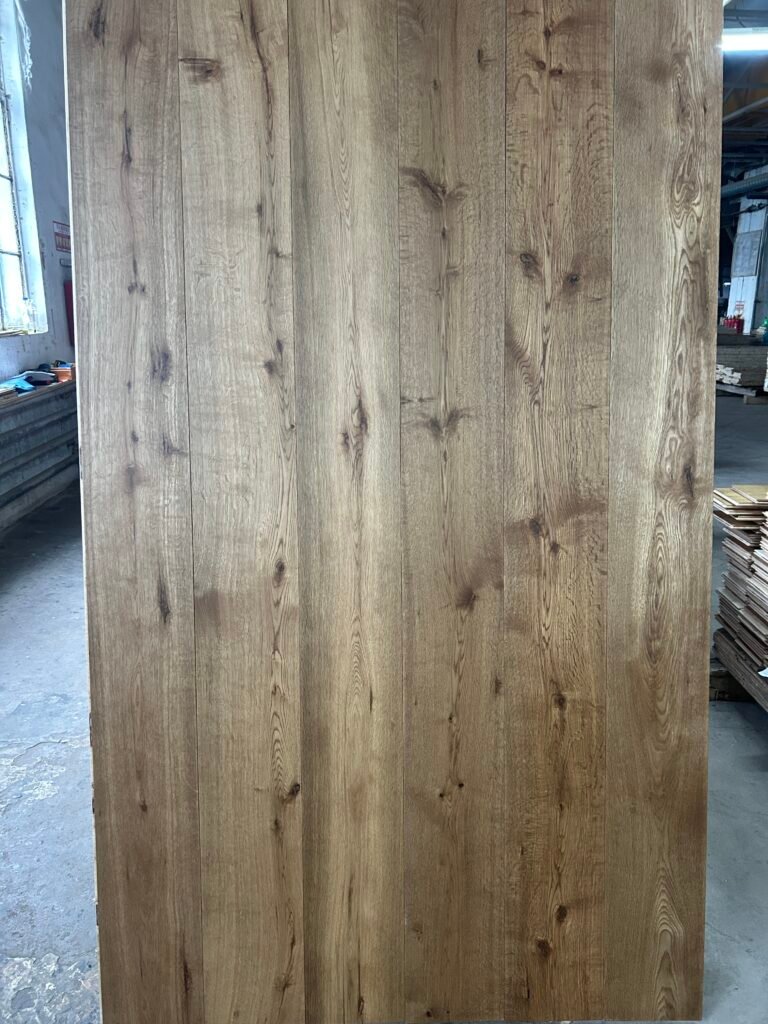
A buyer may prefer a color but want a different appearance grade. Keep that distinction clear. Neither a color name nor the word Character identifies smoking, brushing, bleaching, or another treatment.
4. Use Board Displays to Explain Character Accurately
Close-ups are useful for discussing individual knots, grain, or confirmed repairs. Wider displays help show how those features relate across several boards. Use both views when presenting natural wood flooring variation.
Label each image with the correct color and grade. Avoid using an ABC photograph to illustrate CD, even when the color name is shared. Equally, do not select only the most dramatic board and present it as representative without checking the wider sample reference.
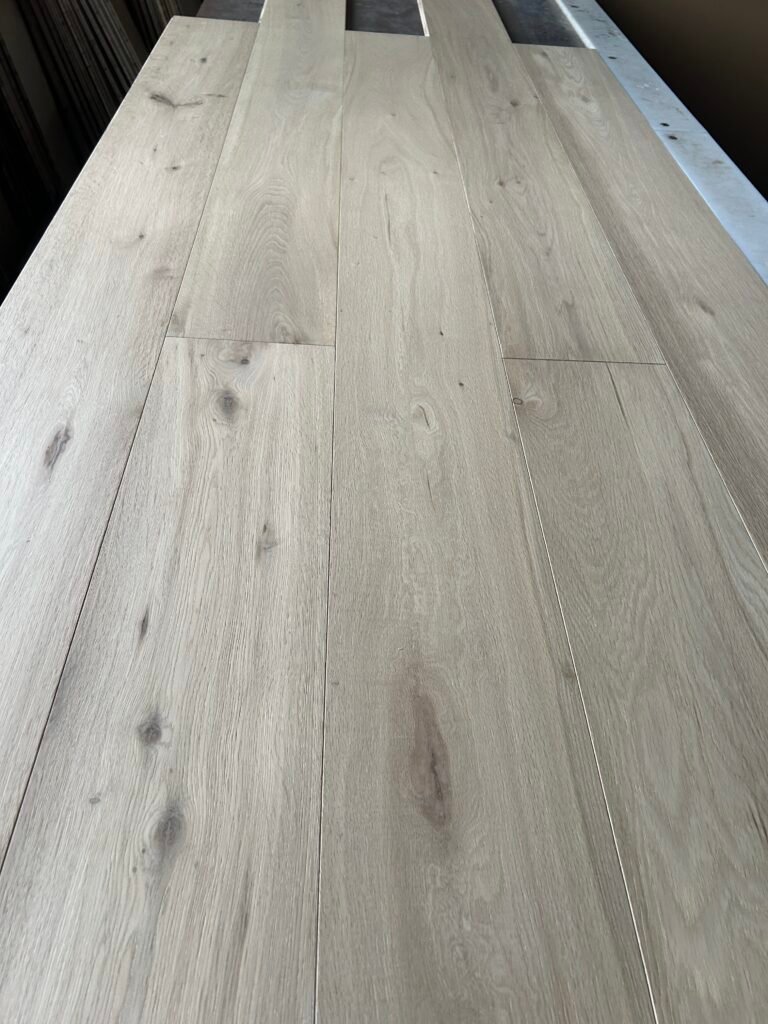
For distributors, captions should describe what the photograph shows rather than inventing numerical grade limits. For project teams, record whether the preferred appearance is quieter or more expressive, then connect that preference to the actual sample and written criteria.
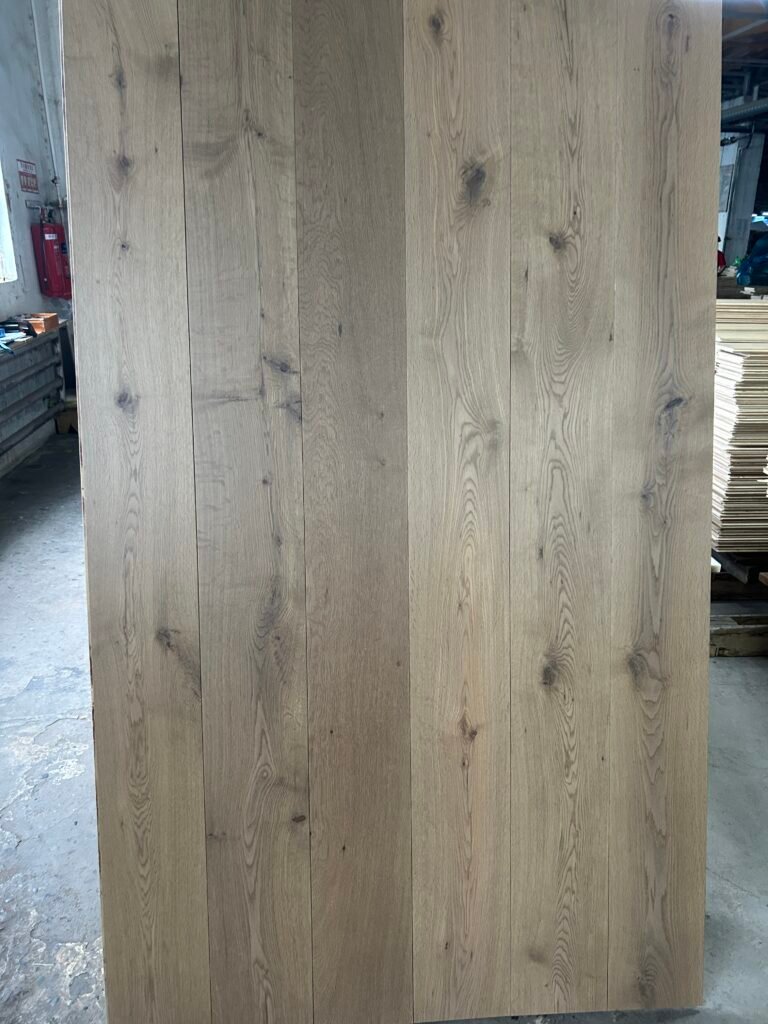
Photographs support selection. Physical samples remain important for reviewing the complete finished appearance and touch.
5. Separate Natural Character from Product Configuration
Character does not identify whether a floor is solid or engineered. RIVA is an engineered oak flooring series, with boards measuring 1900 × 190 mm.
Thickness options are 14 mm total with a 3 mm oak face, or 15 mm total with a 4 mm oak face. Supporting constructions are three-layer poplar, multilayer poplar, multilayer eucalyptus, or multilayer all-birch. Tongue-and-groove or locking joints are confirmed for the order.
UV Oiled and UV Lacquered are alternative finishes. This series mainly uses UV lacquer for the U.S. market; that is not an industry-wide statistic. Confirm actual sheen rather than assuming every product is matte.
The oak raw material comes from the Changbai Mountains in Northeast China. This does not establish the finished board’s manufacturing origin. The supplied material description calls the Chinese oak White Oak, not American White Oak.
Appearance language should therefore sit alongside the configuration, without replacing it or implying performance.
Frequently Asked Questions
Does Character always mean CD Grade?
No. Character is an appearance description that can cover different letter grades under different systems. RIVA currently offers ABC and CD, with the final standard agreed in writing and through samples.
Is Character flooring a defective product?
The term describes appearance; it does not itself identify a defect. A particular feature must be reviewed against the agreed product criteria. Natural character is not permission to accept every condition.
Does every Character board contain the same number of knots?
No such promise is established here. Do not assign a knot count, size, or proportion without a confirmed written standard.
Are dark marks always repairs?
No. A photograph alone may not identify the feature reliably. Ask for a clear close-up and confirmation before describing an area as repaired or filled.
Can I choose Character appearance and a custom color?
RIVA supports OEM color customization. Confirm the grade, color, finish, and complete configuration together. Sample preparation is approximately two weeks, with specifications and charges confirmed separately.
View Board Photographs and Discuss Color Samples
Review the relevant RIVA color-and-grade pages, then send VIF your preferred appearance references. Include your company, target market or project location, estimated quantity, color direction, and configuration requirements.
VIF supports sample discussions, weekly order updates, inspection reports, and factory audit arrangements through its supply coordination.