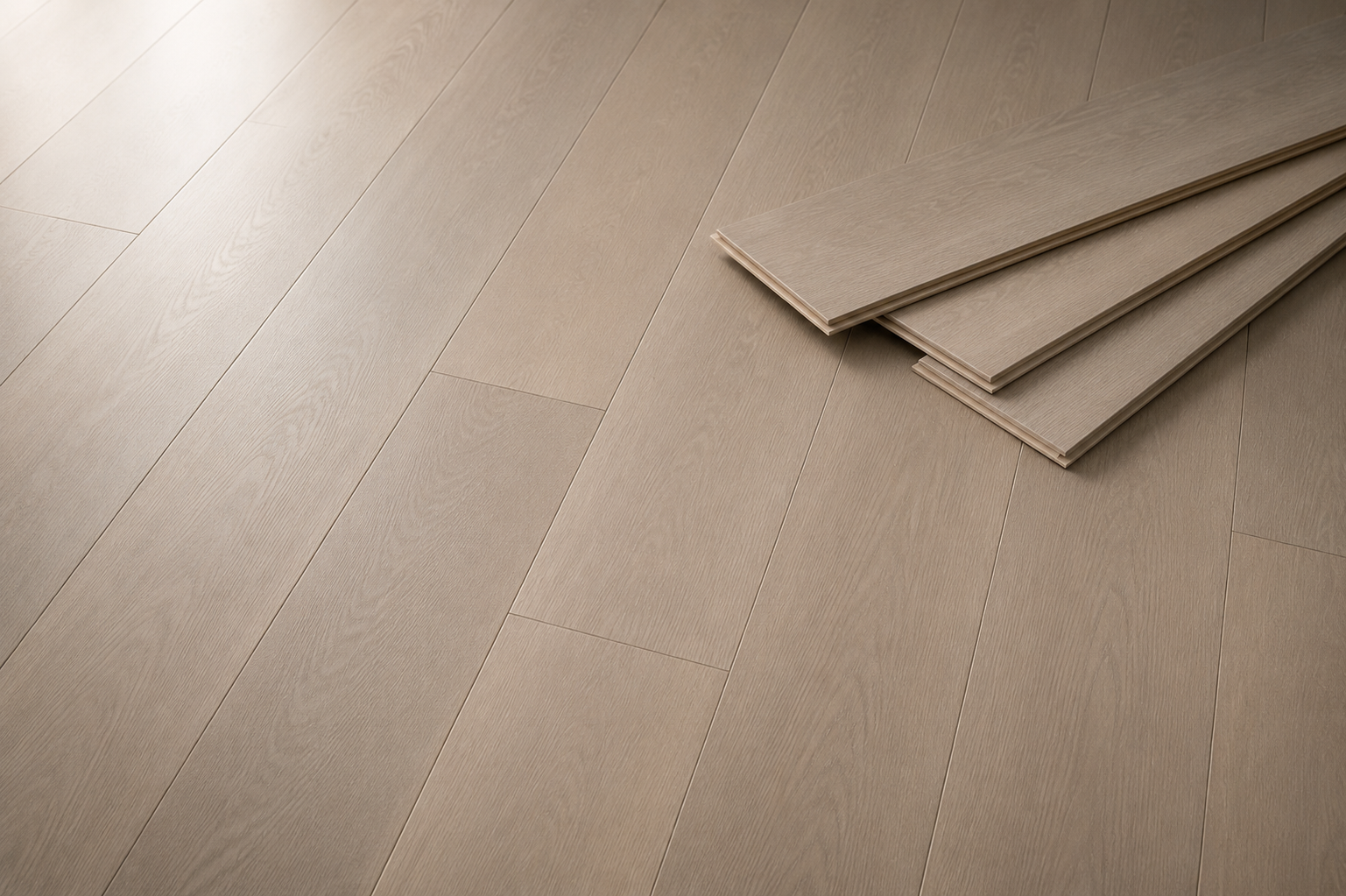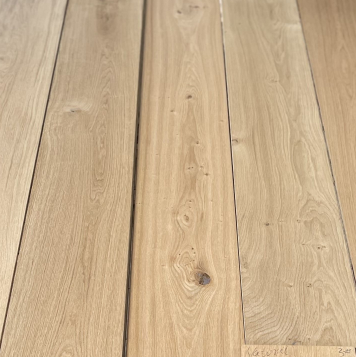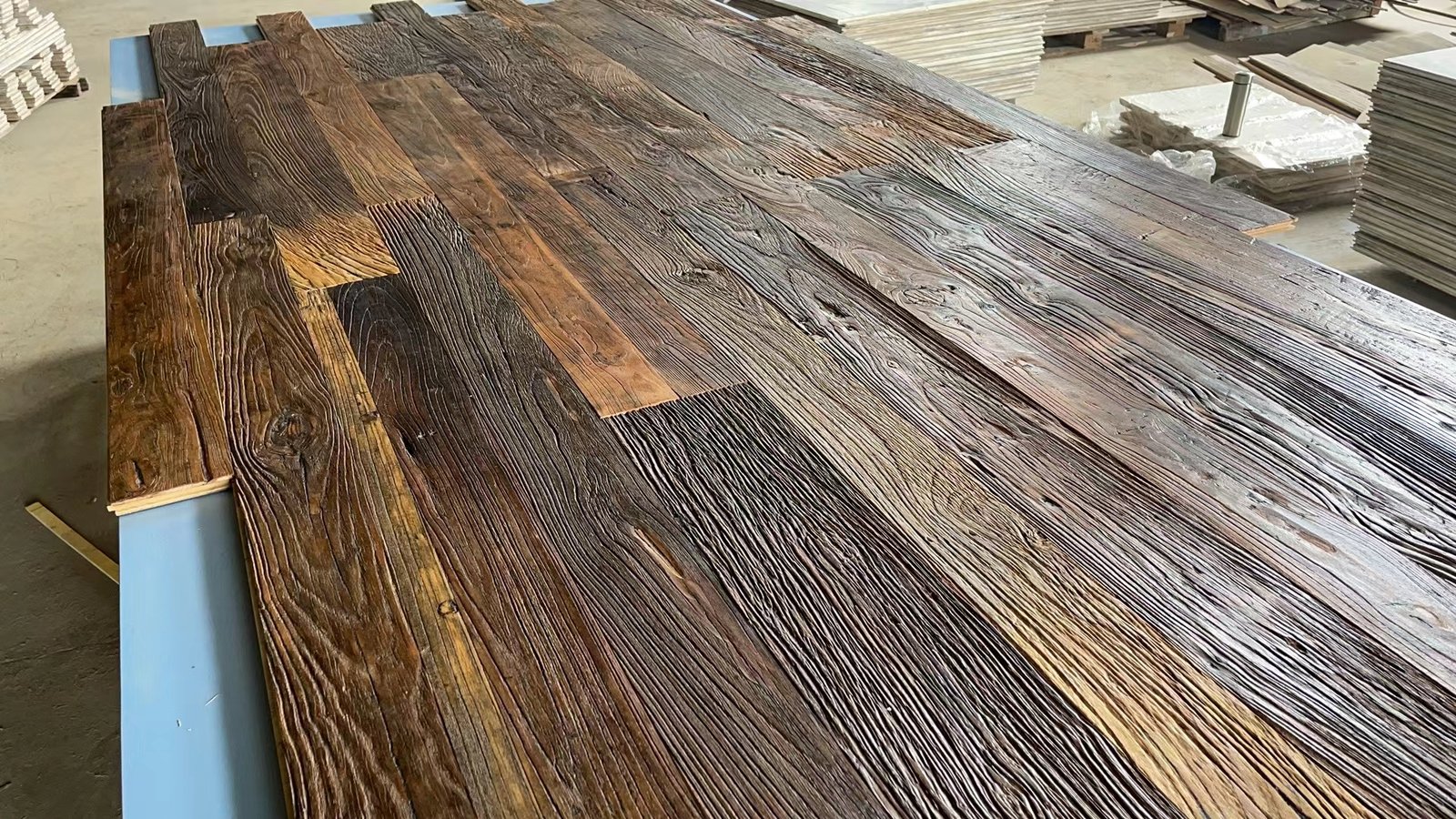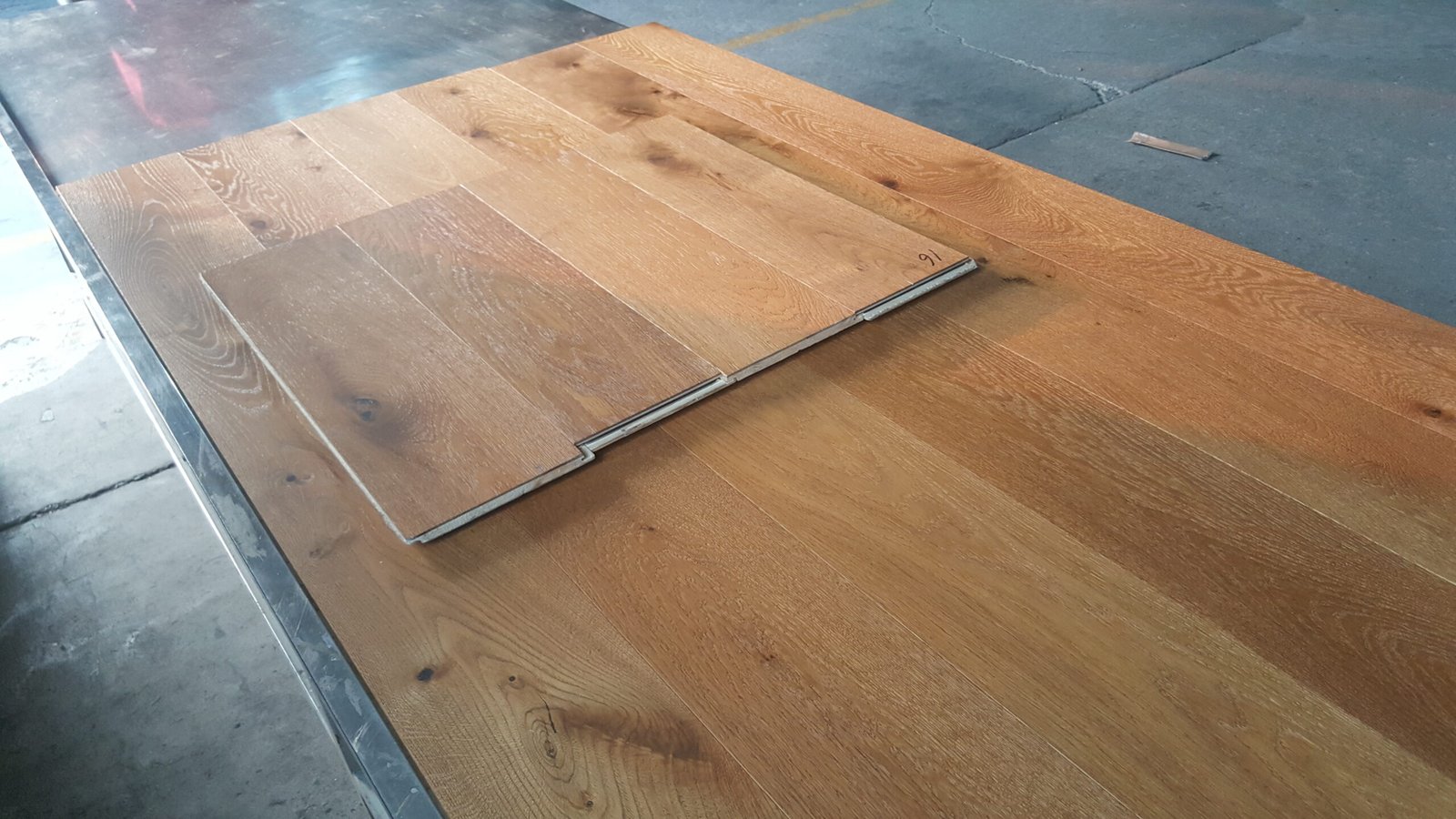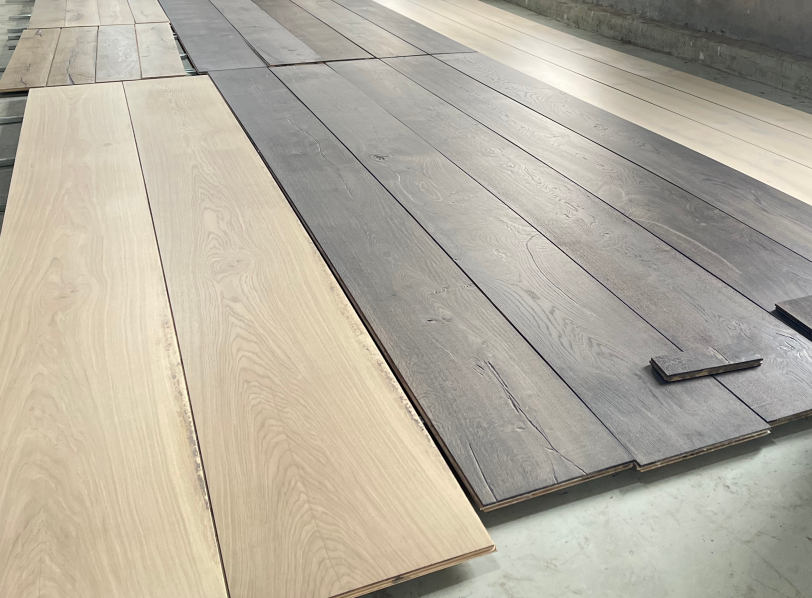
When comparing textured vs brushed wood flooring, do not assume the terms describe mutually exclusive products. Axe-split and brushed treatments can appear on the same board. VIF’s reference European oak flooring combines axe-split, brushed, and smoked surface treatments with a UV-lacquered finish. The practical selection question is how the finished surface looks and feels—not which treatment name sounds more distinctive. Compare physical samples for surface relief, grain definition, color, and tactile character before confirming the project specification.
1. Compare the Finished Surface, Not Just the Treatment Label
“Textured” is a broad appearance description. “Brushed” identifies a listed surface treatment, but the word alone does not tell a project team exactly how pronounced the finished texture will be. A useful comparison needs identifiable samples and complete product descriptions.
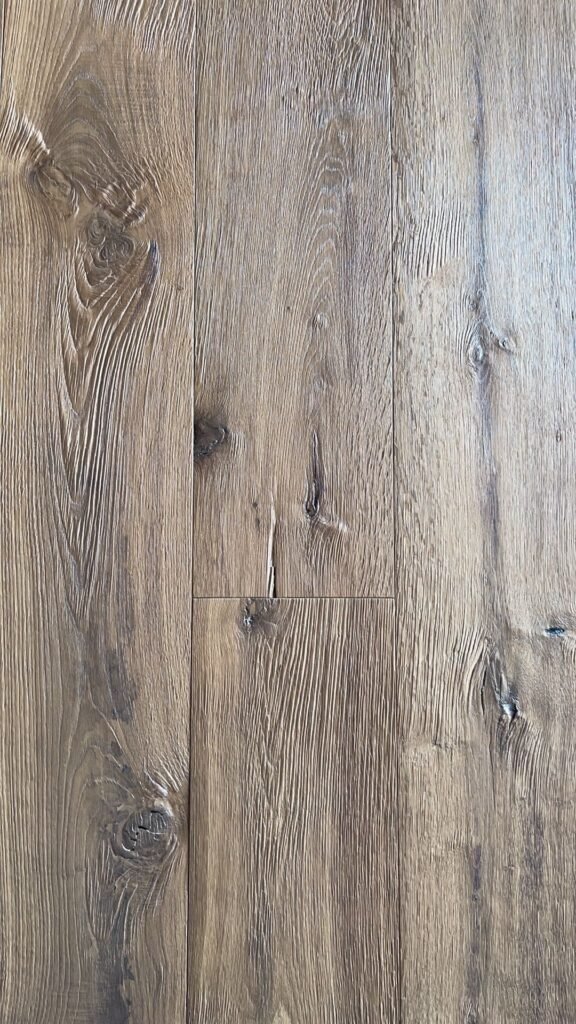
For VIF’s axe-split oak product, the confirmed feature is a fully hand-worked surface with noticeable natural irregularity. “Fully hand-worked” applies to the surface treatment, not to the manufacture of the entire engineered board.
The specification also lists brushing and smoking. This means the product should not be presented as “axe-split instead of brushed.” It combines those treatments. If the design team wants to compare it with a brushed-only alternative, request a separately documented sample. Do not assume that any board labeled brushed provides a controlled comparison.
2. Review Relief, Grain, and Touch as Separate Questions
Start with the visible shape of the surface. Look across the sample from several angles and identify where raised and recessed areas contribute to the appearance. Then review the wood grain separately: does the surface treatment support the level of grain emphasis intended for the design?
Next, assess the sample by touch. Record whether the team prefers a more noticeable relief or a subtler tactile effect. A photograph can support this discussion, but it cannot communicate the complete tactile experience.
Use the same review conditions for each sample. Compare them beside one another under the proposed lighting where possible, and avoid making a final decision from differently lit photographs.
| Review Point | What to Compare | What to Record |
|---|---|---|
| Surface relief | Visible raised and recessed areas across each sample | Approved level and character of relief |
| Grain appearance | How the grain reads alongside the surface texture | Representative sample photographs |
| Tactile character | The feel of the actual finished surface | Preferred sample reference |
| Color | The complete finished color beside project materials | Approved color sample |
| Finish | The specified coating and actual sample appearance | Finish designation and approved appearance |
| Combined treatments | Whether axe-split, brushing, or other treatments are used together | Complete treatment description |
This comparison establishes an appearance reference. It does not demonstrate slip resistance, scratch resistance, or a wear classification.
3. Keep Color and Coating in the Comparison
Texture should not be reviewed in isolation from color and finish. For the reference product, the listed color is Natural Oak, the treatments are axe-split, brushed, and smoked, and the coating is UV lacquer.
If a comparison sample has a different color or coating, record that difference. Otherwise, the team may approve a complete visual combination while believing it has selected only a texture.
Color customization is supported for this product. Use that service to discuss the intended palette, then approve a physical sample of the proposed result. Do not assume that a custom color will reproduce the appearance of a reference photograph exactly.
Keep the approved sample identification with the written specification. The record should distinguish the desired color from the required surface treatment and coating.
4. Match the Surface to the Interior Design Brief
For a high-end villa, consider whether the floor should be a prominent material feature or a quieter part of the room. Review the hand-worked relief alongside cabinetry, stone, wall finishes, and upholstery. The choice should reflect the intended material balance.
For a hotel interior, include the designer, procurement team, and relevant technical reviewers in sample approval. A surface may suit the visual concept while still requiring separate confirmation against the project’s use and installation requirements.
VIF’s [axe-split European oak engineered wood flooring] provides a specific reference: 2200 × 220 mm boards, 15 mm total thickness, a 4 mm European oak face, and a multilayer eucalyptus plywood construction. Its specified grade is DEF, with micro-beveled edges.
These details identify the product being reviewed. They should not be used to infer commercial performance or define an unprovided grade standard.
5. Turn Sample Approval into an Order Specification
Before purchasing, confirm that the sample, product description, and order refer to the same configuration. Include dimensions, face thickness, grade, treatments, coating, color, and any agreed color customization.
Glue-down is the confirmed installation method. Underfloor heating is listed as applicable, subject to the product installation guide and heating-system requirements. Ask the installation team to review the relevant guidance; do not derive installation limits from surface appearance.
The confirmed MOQ is 100–200 square meters, with the exact requirement confirmed for the order. Sample preparation is 10–15 days, excluding transportation time. Production is 50 days after receipt of deposit, subject to order confirmation, and payment is by T/T. Production timing is not arrival timing.
Before final approval, check that the project schedule allows for sampling, review, production, and separately confirmed transportation arrangements.
6. Frequently Asked Questions
Are axe-split and brushed flooring separate product categories?
They do not have to be. VIF’s reference product combines axe-split and brushed treatments, together with smoking. Confirm the complete treatment description for each sample.
Does a more pronounced texture mean better performance?
The appearance comparison does not establish performance. No slip, scratch, or wear-rating conclusion should be drawn from the depth of the visible texture.
Can photographs replace physical samples?
Photographs help document appearance, but they do not convey the full tactile character. Use physical samples to approve the surface feel, color, and overall finished appearance.
What does “handmade” mean for this product?
It refers to the fully hand-worked surface treatment. It does not mean the entire engineered flooring board is manufactured by hand.
Discuss Your Surface Requirements with VIF
Send your company name, project location, required area, preferred color, and purchasing schedule. Include texture references and explain the surface feel you want to review. VIF can discuss the product information, color sampling, and specification requirements with your project team.