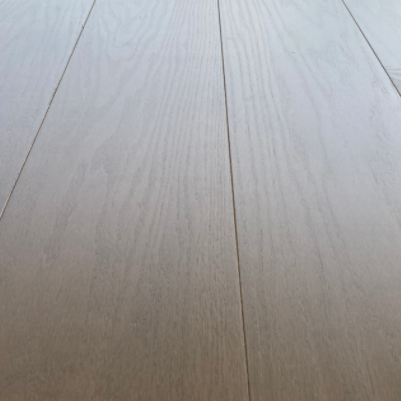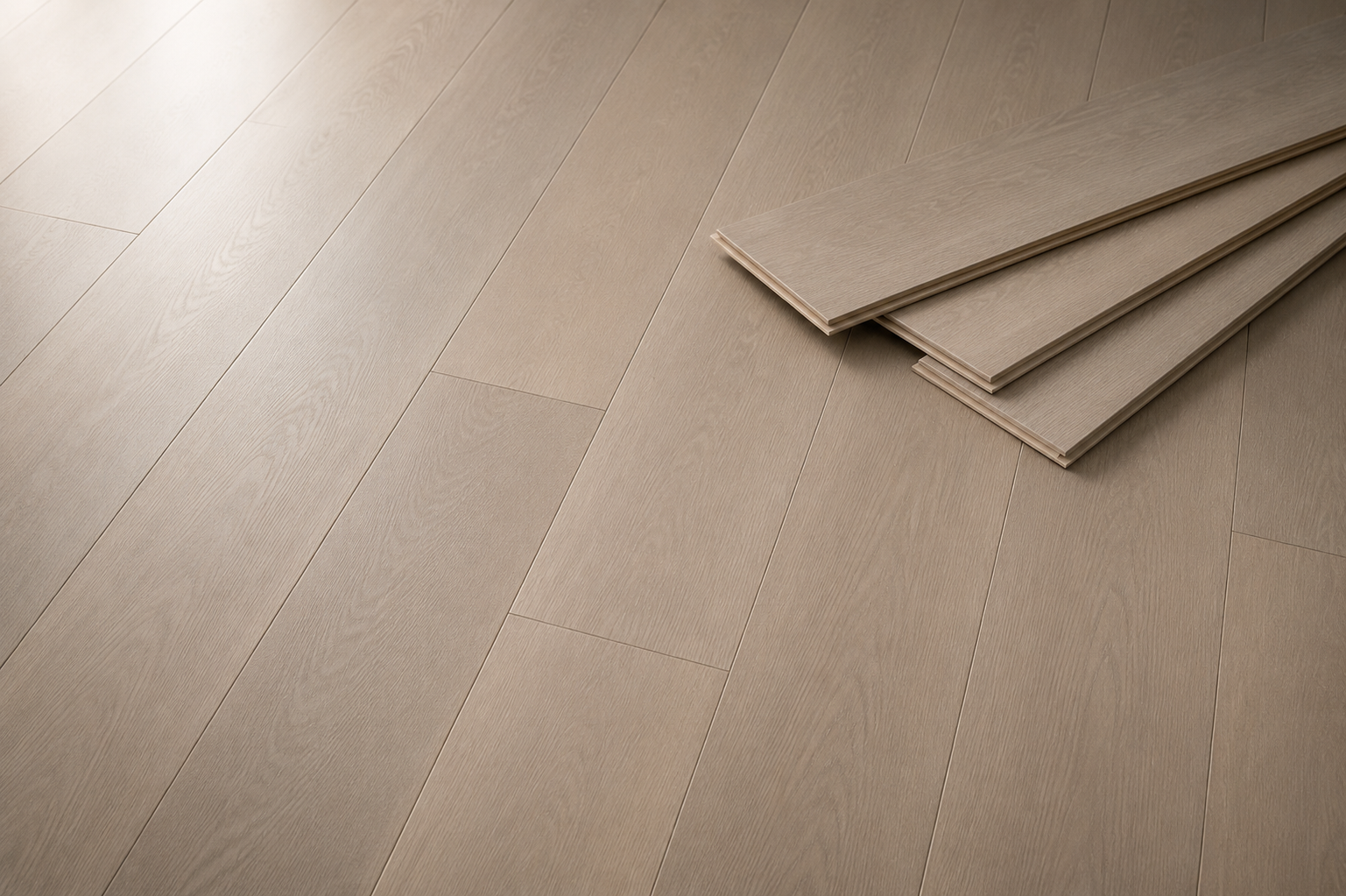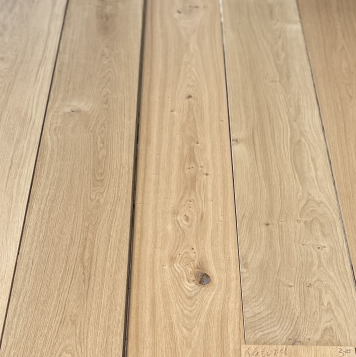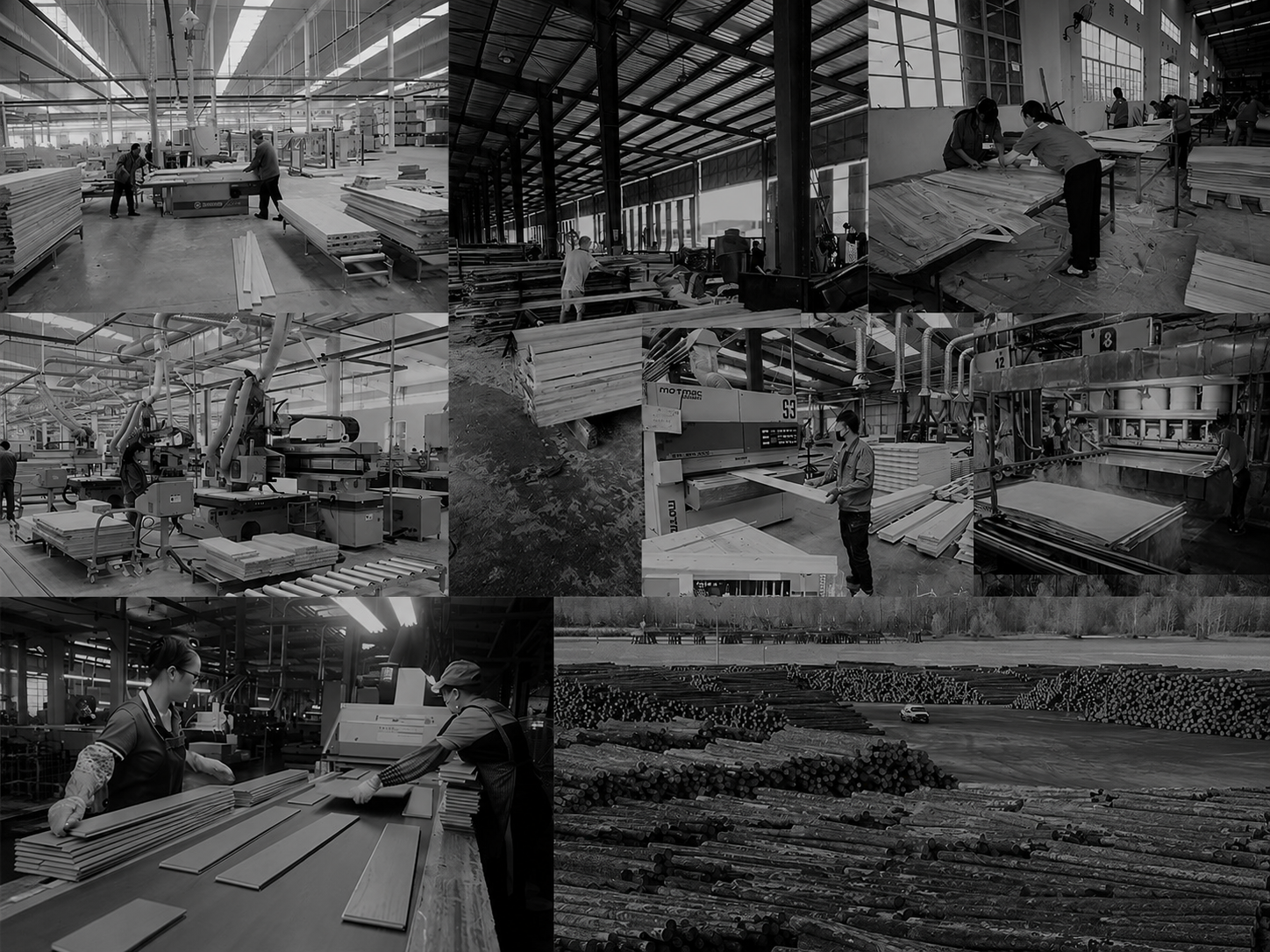
End grain flooring pros and cons should be carefully evaluated before this distinctive wood floor is specified for a residential, hospitality or commercial project. End grain blocks expose the cross-section of the wood, creating rich growth-ring patterns and a surface that behaves differently from conventional plank flooring.
End grain flooring is valued for its visual character, impact resistance and design flexibility. However, moisture movement, installation requirements, maintenance and product structure can significantly affect its long-term performance.
This guide explains the advantages and disadvantages of end grain flooring, the most common problems to consider and the differences between traditional solid blocks and engineered end grain flooring.
What Is End Grain Flooring?
End grain flooring is made by cutting wood across the direction of the grain rather than along its length. This exposes the annual growth rings and natural cellular structure of the wood.
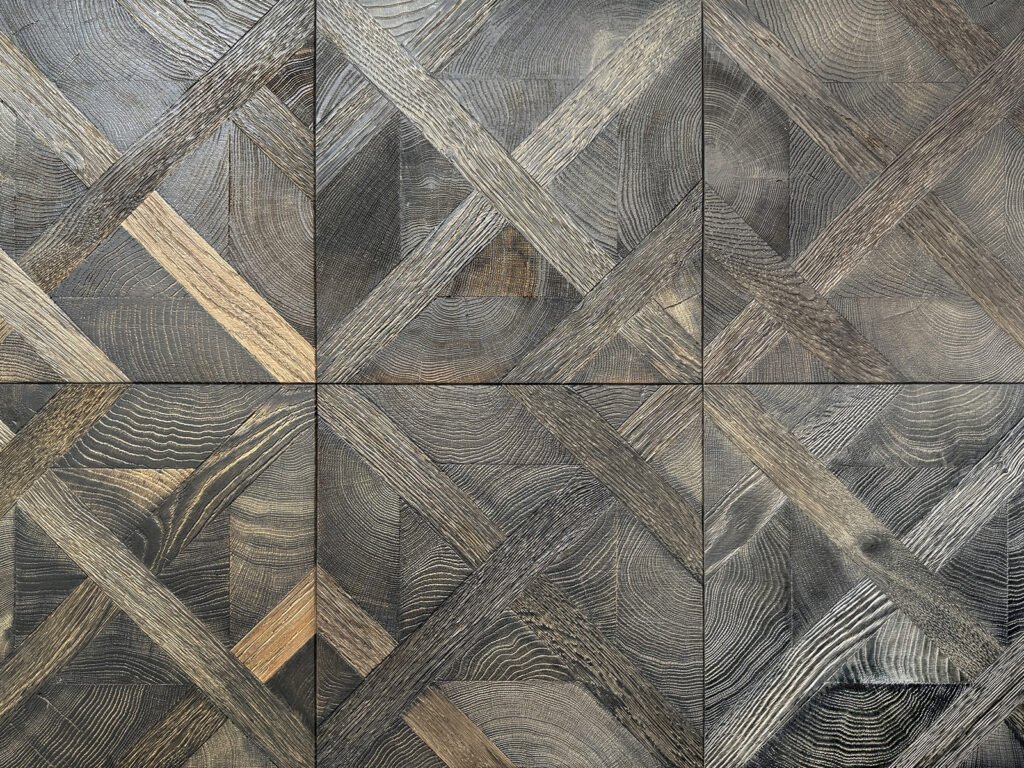
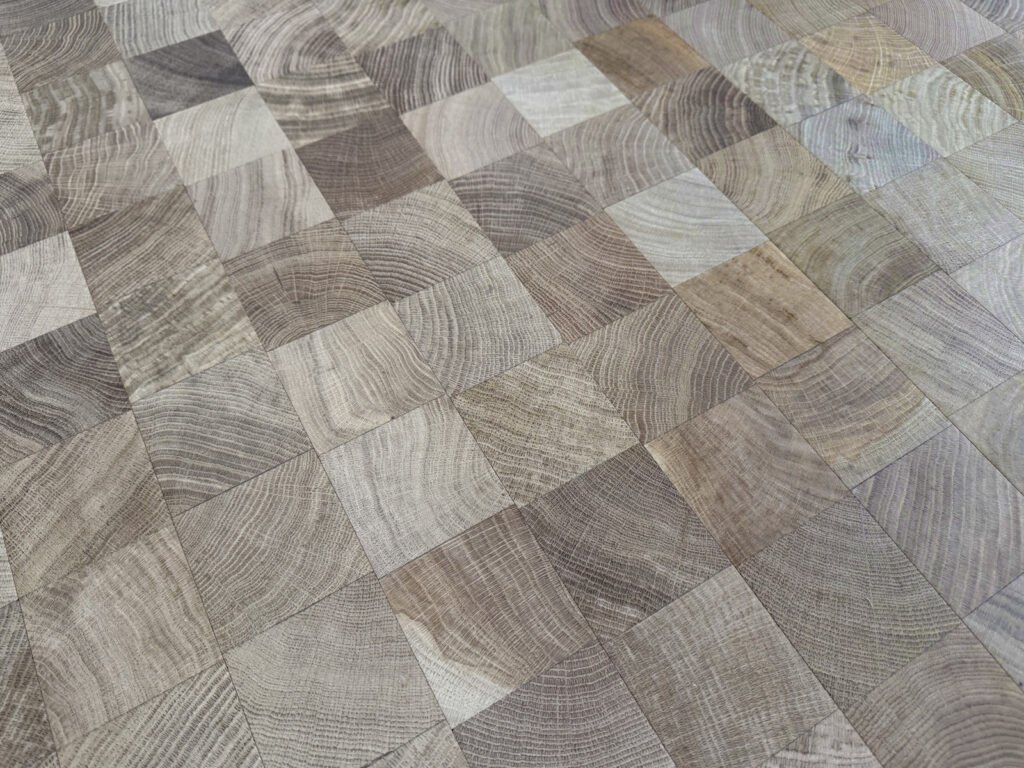
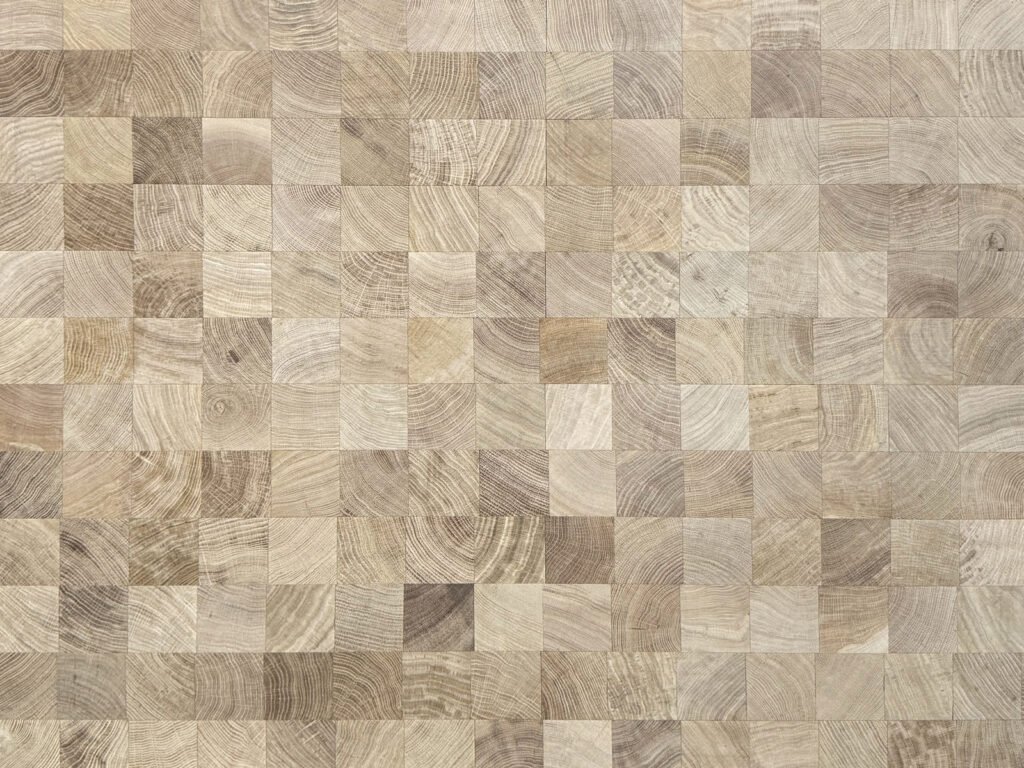
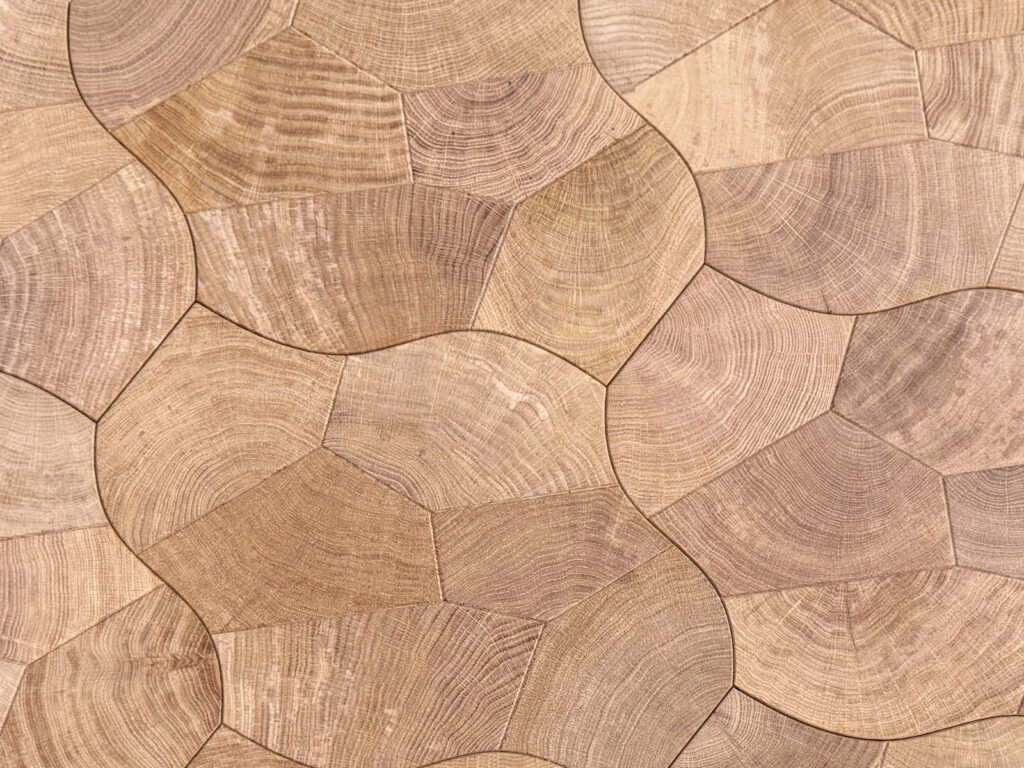
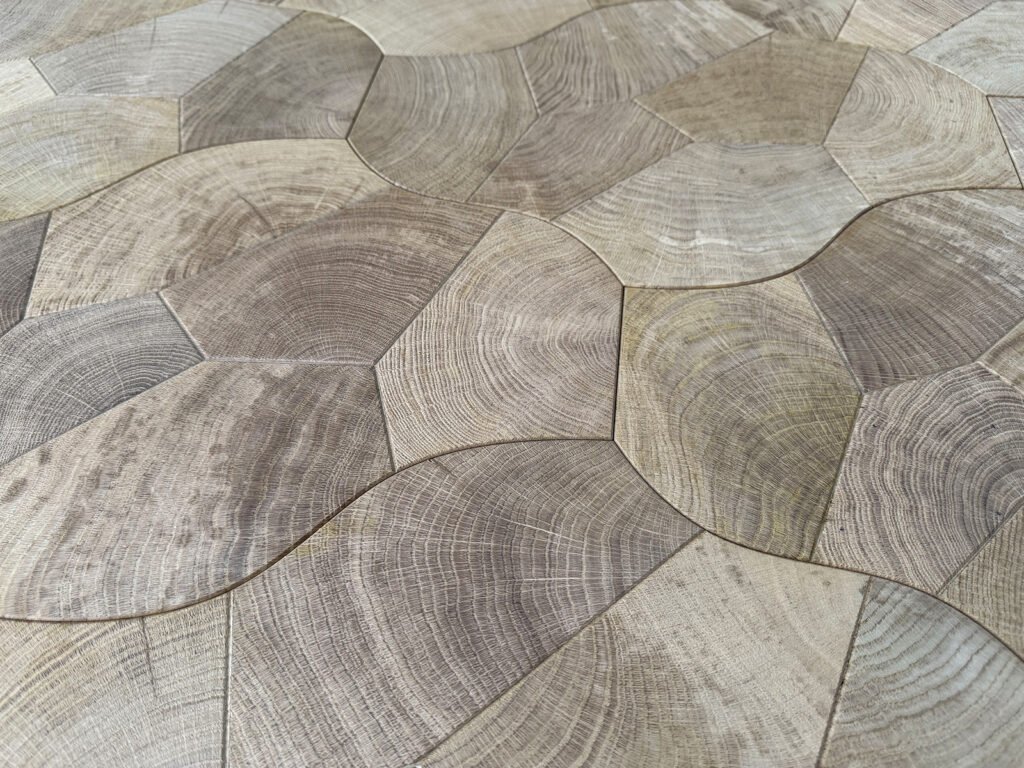
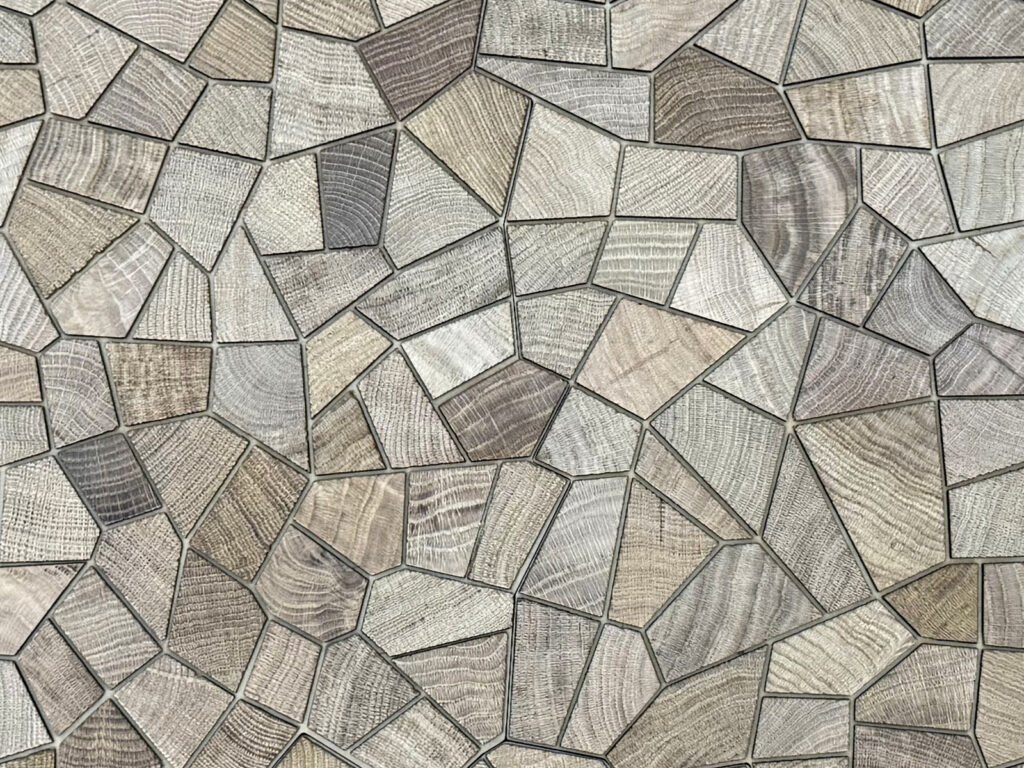
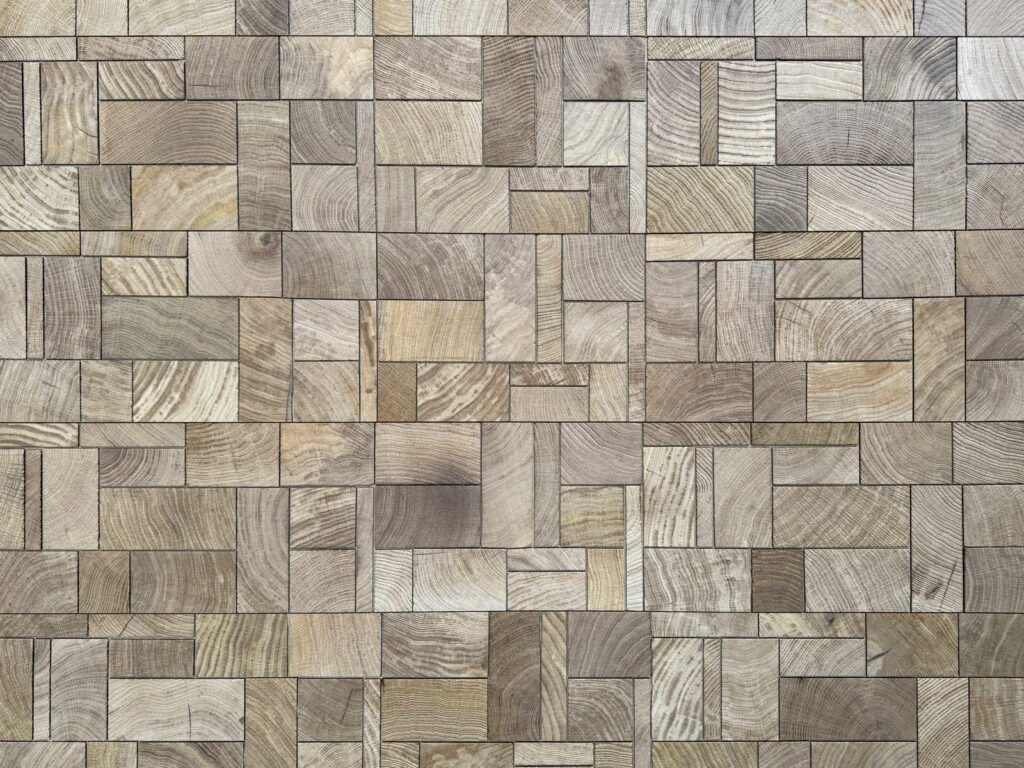
The blocks are generally produced in square, rectangular or custom geometric shapes and arranged to form a continuous pattern. Depending on the design, the finished floor may create a checkerboard, brickwork, mosaic or irregular organic appearance.
Traditional end grain flooring is made from solid wood blocks. Engineered end grain flooring combines a genuine end grain wear surface with a stable plywood base. These two structures may look similar after installation, but their stability, installation requirements and suitability for different environments can vary.

Advantages of End Grain Flooring
Distinctive Natural Appearance
Every end grain block displays a different section of the tree’s growth rings. The variation between blocks creates a textured, handcrafted appearance that cannot be duplicated by ordinary plank flooring.
This makes end grain flooring suitable for designers looking for a strong visual feature in hotel lobbies, restaurants, retail spaces, offices and custom residential interiors.
Good Impact Resistance
The wood fibers in an end grain block are oriented vertically. This structure helps the surface absorb impact differently from side-grain wood flooring.
End grain blocks have historically been used in workshops and industrial environments where floors were exposed to repeated impact. However, resistance to impact does not mean that every end grain floor is automatically scratch-proof. Actual performance also depends on the wood species, density, finish and maintenance.
Flexible Patterns and Layouts
End grain blocks can be produced in different dimensions and assembled into numerous layouts. Designers can work with:
- Square blocks
- Rectangular blocks
- Brick patterns
- Checkerboard patterns
- Mixed dimensions
- Custom geometric arrangements
Different wood species, colors and surface treatments can also be combined to create a customized floor.
Suitable for Feature Areas
The strong visual texture of end grain flooring works particularly well in feature areas. It can be used across an entire room or placed in selected zones to define reception areas, dining areas or display spaces.
Possibility of Using Reclaimed Material
Some end grain flooring is produced from reclaimed beams, old structures or other recovered wood. Reclaimed material can provide mature grain patterns and distinctive color variation.
The actual environmental benefit depends on the verified source of the material, the manufacturing process, adhesives, finishing system and expected service life.
Disadvantages of End Grain Flooring
End grain flooring has several important limitations that should be understood before purchasing or specifying it.
Greater Sensitivity to Moisture
The exposed ends of the wood fibers can absorb moisture more readily than the surface of conventional plank flooring. Excessive moisture may cause individual blocks to swell, shrink, crack or become uneven.
Moisture control is therefore one of the most important requirements for end grain flooring.
More Complex Installation
Installing small individual blocks requires more time and precision than installing conventional engineered planks. The subfloor must be dry, clean, stable and level.
Incorrect adhesive coverage, insufficient acclimation or inconsistent spacing can lead to loose blocks, gaps or an uneven surface.
Higher Installation Cost
Material preparation and installation are generally more labor-intensive. Custom patterns, mixed sizes and on-site sanding can further increase the total project cost.
Buyers should compare the complete installed cost rather than evaluating only the price per square meter of the flooring.
Natural Color and Pattern Variation
Variation is part of the character of end grain flooring. However, customers expecting a completely uniform floor may consider the differences between blocks excessive.
Samples and approval panels should be used to establish an acceptable range before mass production.
Difficult Individual Repairs
If a block becomes damaged, replacing it without affecting surrounding blocks can require professional work. The repaired area may also look different until the new finish and wood color gradually blend with the existing floor.
End Grain Flooring Pros and Cons at a Glance
| Advantages | Disadvantages |
|---|---|
| Distinctive growth-ring patterns | Sensitive to uncontrolled moisture |
| Good resistance to repeated impact | Requires a flat and stable subfloor |
| Flexible block sizes and layouts | More labor-intensive installation |
| Suitable for custom feature floors | Natural variation may be significant |
| Available in solid and engineered structures | Repairs may require professional work |
| Can use reclaimed or selected wood species | Total installed cost can be higher |
Common Problems with End Grain Flooring
Swelling or Shrinkage
Wood changes dimension when environmental humidity changes. Because end grain exposes the ends of the wood fibers, uncontrolled moisture can produce more noticeable movement.
The subfloor moisture content, indoor relative humidity and flooring moisture content should all be checked before installation.
Gaps Between Blocks
Gaps may appear when flooring is installed before proper acclimation or when the indoor environment becomes significantly drier after installation.
Correct material conditioning and a stable indoor environment help reduce this risk.
Loose Blocks
Blocks can become loose when the adhesive is unsuitable, coverage is incomplete or the subfloor contains dust, moisture or weak surface material.
The adhesive must be compatible with the flooring structure, finish and subfloor condition.
Uneven Surface
Small differences in block thickness or an uneven subfloor may produce lipping between adjacent pieces. Accurate machining and careful installation are essential.
Some traditional solid end grain floors are sanded after installation. Prefinished engineered products require greater dimensional consistency because aggressive on-site sanding may damage the factory-applied finish.
Surface Cracks
Rapid moisture changes, unsuitable wood moisture content or natural weaknesses in individual blocks may lead to small cracks.
Not every natural check affects structural performance, but acceptable appearance standards should be confirmed before production.
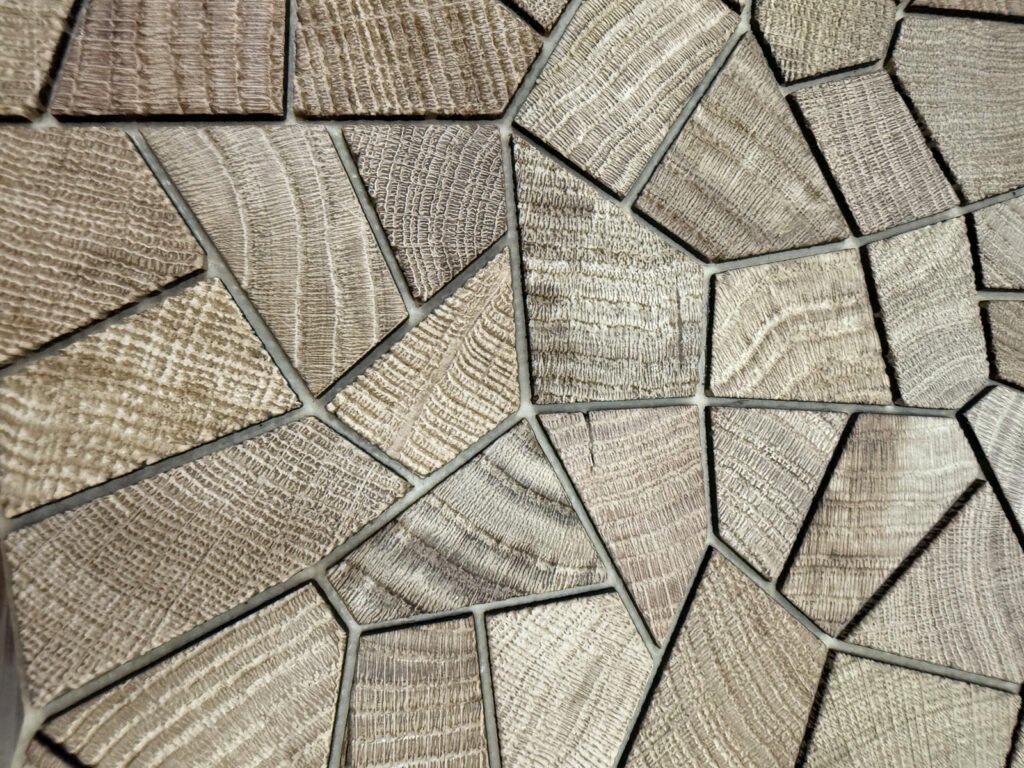
Solid vs Engineered End Grain Flooring
Traditional solid end grain flooring consists entirely of one wood species. It offers an authentic structure and may allow repeated sanding, depending on the thickness of the blocks.
However, solid blocks generally experience more natural expansion and contraction. They require careful moisture management and may not be suitable for every subfloor or heating system.
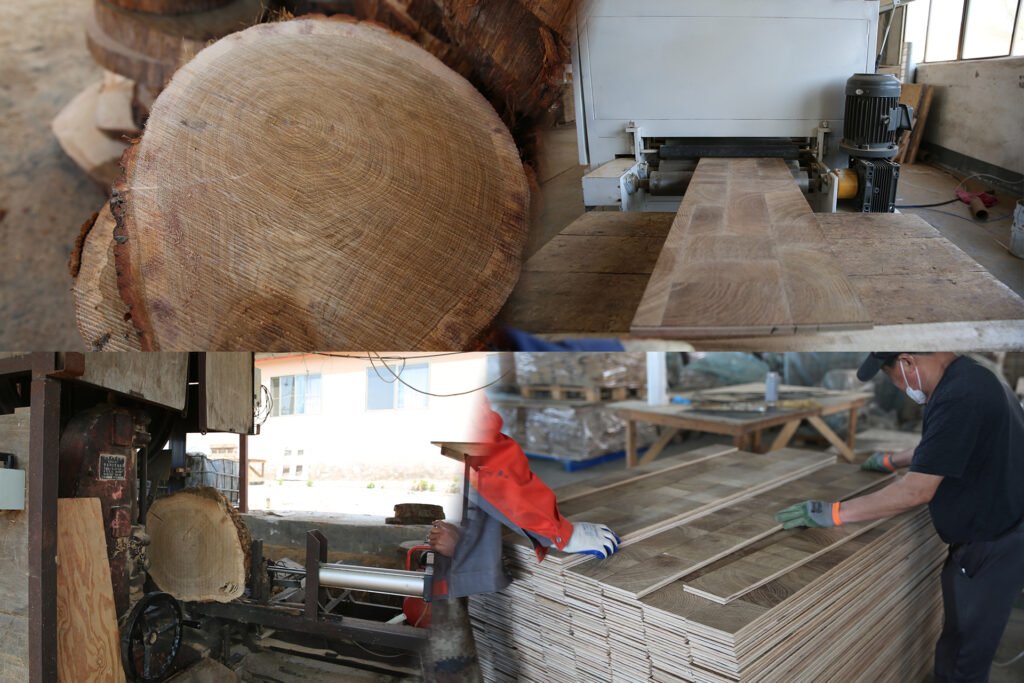
Engineered end grain flooring uses an end grain wood surface bonded to a plywood base. The cross-layered base is designed to reduce dimensional movement and provide more consistent support.
VIFLOOR engineered end grain flooring uses a micro-carbonized end grain surface and a full birch plywood base. This construction is developed to improve stability and make the flooring more suitable for controlled underfloor-heating applications.
The final product specification should still be selected according to the installation method, heating system, subfloor and local climate.
Can End Grain Flooring Be Used with Underfloor Heating?
Not every end grain floor is suitable for underfloor heating.
Traditional thick solid blocks may experience significant movement when exposed to repeated heating and cooling cycles. Engineered construction is generally more appropriate because the plywood base helps control dimensional movement.
For underfloor-heating projects, buyers should confirm:
- Whether the flooring is approved for heated floors
- Total flooring thickness
- Type of plywood base
- Recommended adhesive
- Maximum surface temperature
- Subfloor moisture level
- Heating start-up procedure
- Indoor humidity requirements
The heating system should be started gradually. Sudden temperature changes can increase stress within the wood and adhesive layer.
VIFLOOR can provide engineered end grain flooring designed for controlled underfloor-heating conditions. Project requirements should be confirmed before production.
Installation Requirements for End Grain Flooring
Successful installation begins with subfloor preparation.
The subfloor must be:
- Clean
- Dry
- Flat
- Structurally stable
- Free from loose material
- Compatible with the selected adhesive
Before installation, the flooring should be stored in the project environment according to the supplier’s acclimation instructions.
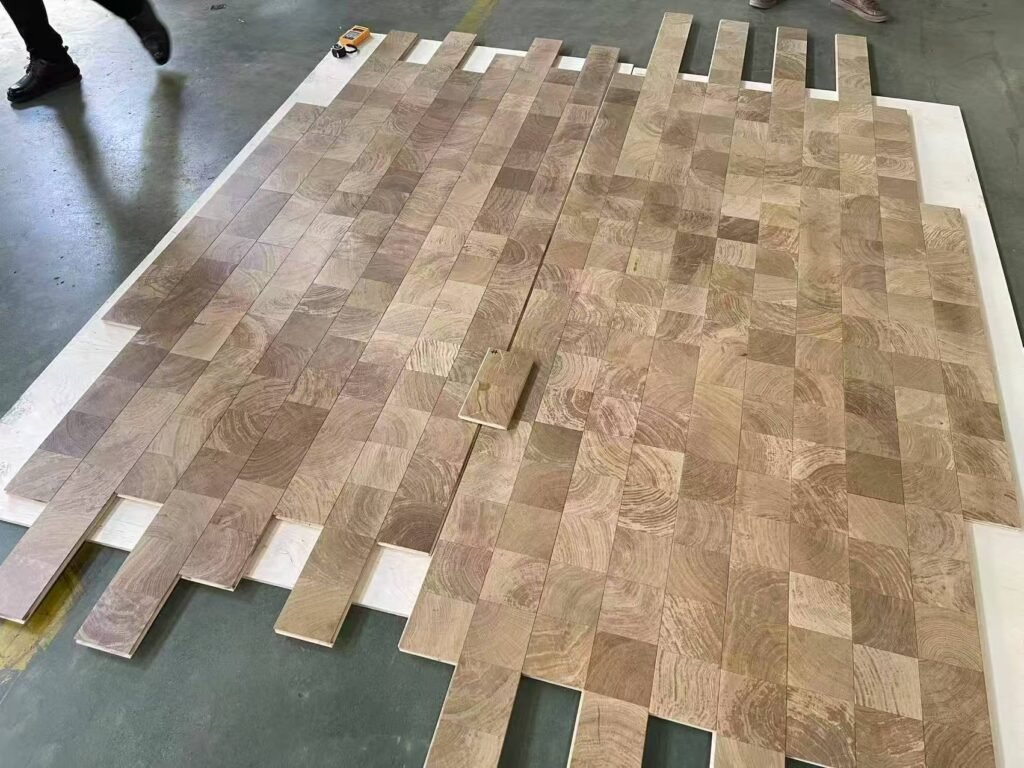
A qualified installer should check both the flooring and subfloor moisture levels. The blocks must be placed carefully to maintain the intended pattern and consistent joints.
Expansion space should be provided according to the room size, flooring structure and installation conditions. Large commercial areas may require additional movement joints.
After installation, the adhesive must be allowed to cure for the specified period before the floor is exposed to heavy traffic.
How to Maintain End Grain Flooring
Routine maintenance helps protect both the surface finish and the wood structure.
Recommended maintenance includes:
- Remove dust and abrasive particles regularly.
- Use a soft broom or a vacuum suitable for wood floors.
- Clean with a slightly damp mop rather than excessive water.
- Use a cleaner compatible with the selected finish.
- Wipe up spills promptly.
- Place entrance mats in high-traffic areas.
- Use protective pads beneath furniture.
- Maintain stable indoor temperature and humidity.
Avoid steam cleaners, excessive water and aggressive chemical cleaners unless the flooring supplier specifically approves them.
Oiled and lacquered surfaces have different maintenance requirements. Buyers should request the correct care instructions for the selected finish.
Where Can End Grain Flooring Be Used?
End grain flooring can be considered for:
- Custom residential interiors
- Hotel reception areas
- Restaurants
- Retail stores
- Offices
- Galleries
- Clubhouses
- Feature zones in commercial projects
The appropriate structure and finish depend on the expected traffic, moisture exposure and cleaning routine.
For commercial spaces, surface wear resistance, coating performance and maintenance requirements should be confirmed before the flooring is specified.
What Affects the Cost of End Grain Flooring?
The cost of end grain flooring depends on more than the wood species.
Important cost factors include:
- Solid or engineered structure
- Wood species and material source
- Block dimensions
- Pattern complexity
- Surface treatment
- Factory-finished or site-finished construction
- Order quantity
- Installation labor
- Subfloor preparation
- Custom packaging and quality requirements
Highly customized layouts normally require more production planning and installation labor. Importers and project buyers should provide drawings, dimensions and expected quantities when requesting a quotation.
This allows the manufacturer to evaluate material yield, block arrangement, packaging and installation requirements accurately.
How to Choose End Grain Flooring for a Project
Before placing an order, confirm the following information with the supplier:
- Wood species and material source
- Solid or engineered construction
- Overall thickness and wear-layer specification
- Plywood base material
- Block dimensions and layout
- Surface treatment and finish
- Moisture-content standard
- Suitable installation method
- Underfloor-heating compatibility
- Packaging and batch-control requirements
A physical sample or approval panel is particularly important because natural variation is more visible in end grain flooring than in many conventional wood floors.
For large projects, the approved sample should establish the acceptable color, block variation, surface texture and repair standard.
Frequently Asked Questions
Is end grain flooring more durable than regular wood flooring?
End grain flooring can offer excellent resistance to repeated impact because of the vertical orientation of the wood fibers. However, scratch resistance and overall durability still depend on the wood species, finish, structure and maintenance.
What is the main disadvantage of end grain flooring?
Moisture sensitivity is one of the main disadvantages. Correct moisture testing, acclimation, adhesive selection and indoor climate control are essential.
Does end grain flooring scratch easily?
The end grain structure may resist dents and impact well, but the surface coating can still be scratched. Performance depends on the selected finish and how the floor is used.
Can end grain flooring be installed over concrete?
It can be installed over a properly prepared concrete subfloor when the moisture level, surface strength, flatness and adhesive system meet the flooring supplier’s requirements.
Can end grain flooring be used with underfloor heating?
Some engineered end grain flooring can be used with controlled underfloor heating. Traditional solid blocks and untested products should not automatically be considered suitable.
Is engineered end grain flooring more stable?
A quality plywood base can reduce dimensional movement compared with traditional solid blocks. Stability also depends on manufacturing quality, moisture content and installation conditions.
Can end grain flooring be customized?
Yes. Wood species, block size, layout, color, surface texture and finish may be customized, subject to production feasibility and order quantity.
Is end grain flooring suitable for commercial projects?
It can be suitable for selected commercial projects when the correct structure, finish, installation method and maintenance plan are used.
How should end grain flooring be cleaned?
Use dry cleaning methods for routine care and a slightly damp mop when required. Avoid excessive water, steam cleaning and unsuitable chemical cleaners.
Is color variation normal?
Yes. Differences in growth rings, natural color and block pattern are normal characteristics of end grain flooring. An approval sample should be confirmed before production.
Is End Grain Flooring Worth It?
End grain flooring is worth considering when a project requires strong natural character, distinctive block patterns and a surface unlike conventional wood planks.
Its advantages include visual individuality, impact resistance and flexible design. Its disadvantages include moisture sensitivity, more complex installation, natural variation and potentially higher installed cost.
The product structure is therefore an important purchasing decision. Traditional solid blocks may suit certain controlled installations, while engineered end grain flooring provides improved dimensional stability for a wider range of modern projects.
VIFLOOR supplies customizable engineered end grain flooring with a micro-carbonized surface and full birch plywood base. Options can be developed according to the required block size, layout, color, finish and project conditions.
For product specifications, samples or project quotations, please contact VIFLOOR.