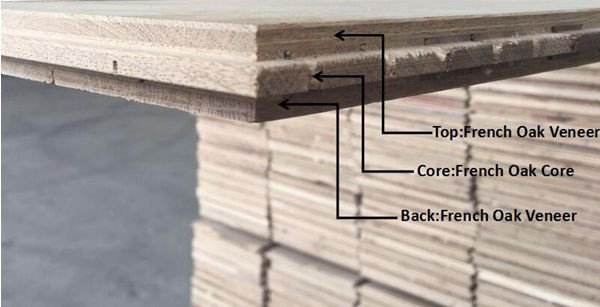
Importing wood flooring can help distributors and importers access competitive pricing and a wider product range. However, many buyers still face serious challenges such as quality inconsistency, delayed shipments, and communication problems.
Understanding the most common importing risks can help you avoid costly mistakes and build a more stable flooring business.
Why Importing Wood Flooring Can Be Challenging
Wood flooring is a natural product that requires stable raw materials, precise production control, and reliable logistics. Even small issues can lead to customer complaints, project delays, or financial losses.
For importers, choosing the right supplier is just as important as choosing the right product.
Problem 1: Inconsistent Quality
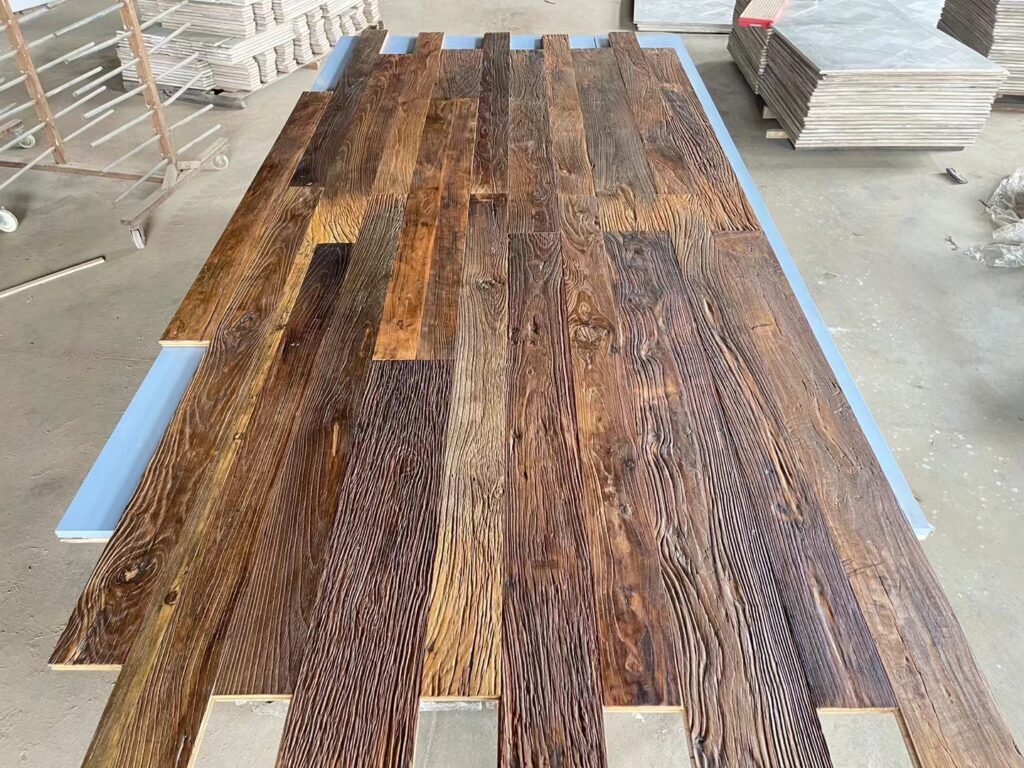
One of the biggest concerns when importing wood flooring is inconsistent quality between batches.
Common issues include:
- Color variation
- Surface defects
- Moisture problems
- Poor repair work
- Unstable finishing quality
These problems can seriously affect distributors, retailers, and project contractors.
How to Avoid It
- Request detailed product samples
- Confirm grading standards before production
- Ask for inspection photos and videos
- Work with experienced suppliers that have strict quality control systems
Reliable suppliers should provide consistent quality across every shipment.
Problem 2: Delayed Shipments
Shipping delays can create serious problems for flooring importers, especially for project-based orders.
Delays are often caused by:
- Unstable raw material supply
- Poor production planning
- Lack of container availability
- Weak supply chain management
How to Avoid It
- Confirm lead times before ordering
- Choose suppliers with stable production capacity
- Maintain clear communication during production
- Avoid relying only on the lowest-price supplier
A stable supply chain is critical for long-term business success.
Problem 3: Communication Problems
Miscommunication can lead to incorrect specifications, packaging mistakes, or shipment errors.
This becomes even more common when suppliers lack export experience.
How to Avoid It
- Confirm specifications in writing
- Use clear product codes and dimensions
- Request production updates regularly
- Work with suppliers that understand international business requirements
Good communication reduces mistakes and improves efficiency.
Problem 4: Unstable Supply Chain
Some suppliers struggle to maintain stable production during busy seasons or market changes.
This can result in:
- Changing lead times
- Inconsistent pricing
- Production interruptions
How to Avoid It
- Work with suppliers that have integrated production resources
- Confirm material sourcing capability
- Build long-term supplier relationships instead of changing factories frequently
Strong supply chain management helps reduce risk.
Problem 5: Choosing the Wrong Supplier
Many buyers choose suppliers based only on price. However, the cheapest supplier often creates the biggest long-term problems.
A low price may lead to:
- Quality complaints
- Delayed shipments
- Customer losses
- Hidden costs
How to Avoid It
When choosing a flooring supplier, focus on:
- Production stability
- Quality consistency
- Export experience
- Communication ability
- Supply chain capability
A reliable supplier should support your long-term business growth.
FAQ
What is the biggest risk when importing wood flooring?
The biggest risk is inconsistent quality, especially when suppliers lack proper quality control systems.
How can I avoid flooring quality problems?
Work with experienced suppliers, confirm product standards clearly, and request inspections before shipment.
Why do flooring shipments get delayed?
Delays are often caused by unstable production planning, raw material shortages, or weak supply chain management.
Should I choose the cheapest flooring supplier?
Not always. A very low price can lead to quality issues, delays, and higher long-term costs.
Conclusion
Importing wood flooring successfully requires more than finding a low price. Buyers should focus on stable supply, consistent quality, and reliable supplier partnerships.
Understanding these common problems can help importers reduce risk and build stronger long-term businesses.
About VIFLOOR
At VIFLOOR, we support global importers and distributors with stable supply, consistent quality, and flexible production solutions. With over 20 years of experience in wood flooring manufacturing, we help our partners reduce risks and improve long-term business stability.
Explore our product categories: