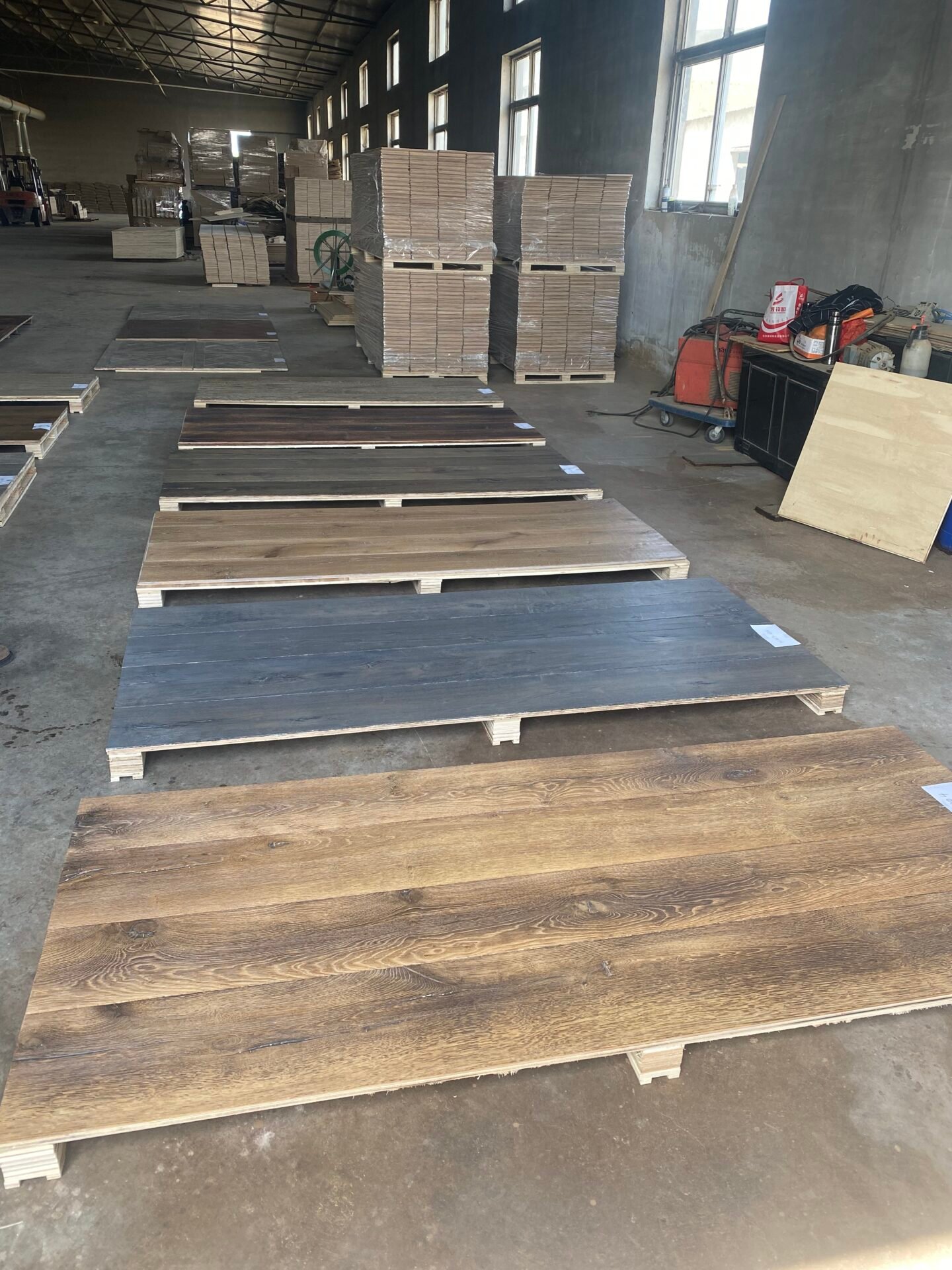
Choosing the right wood flooring supplier is a key decision for any large-scale project—whether you’re sourcing for a luxury residential development, a retail chain, or a commercial construction project. A trusted supplier ensures not only product quality but also on-time delivery, responsive support, and consistent standards. In this article, we’ll share key factors to evaluate when selecting a supplier for your flooring needs.
1. Check Supplier Experience and Export Background
Experience matters. A supplier who has been in the flooring industry for 10+ years likely understands production standards, international market trends, and export procedures. Ask:
- How many years has the supplier been exporting?
- Which countries do they serve regularly?
- Are there any notable international clients or projects?
A seasoned engineered wood flooring manufacturer will likely have efficient systems and strong quality control measures in place.
2. Evaluate Product Variety and Customization Capability
Every project has unique requirements. Your supplier should offer:
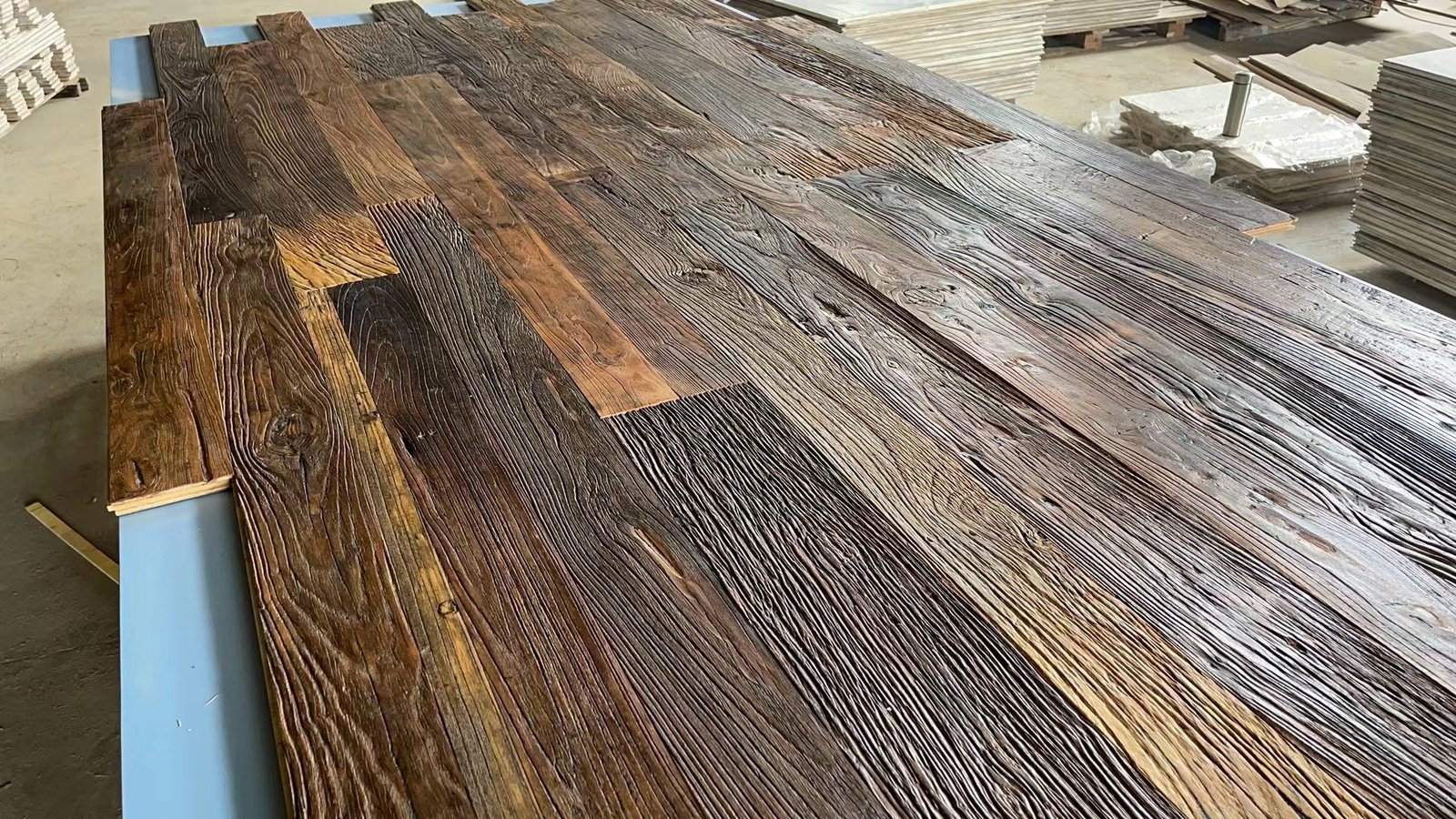
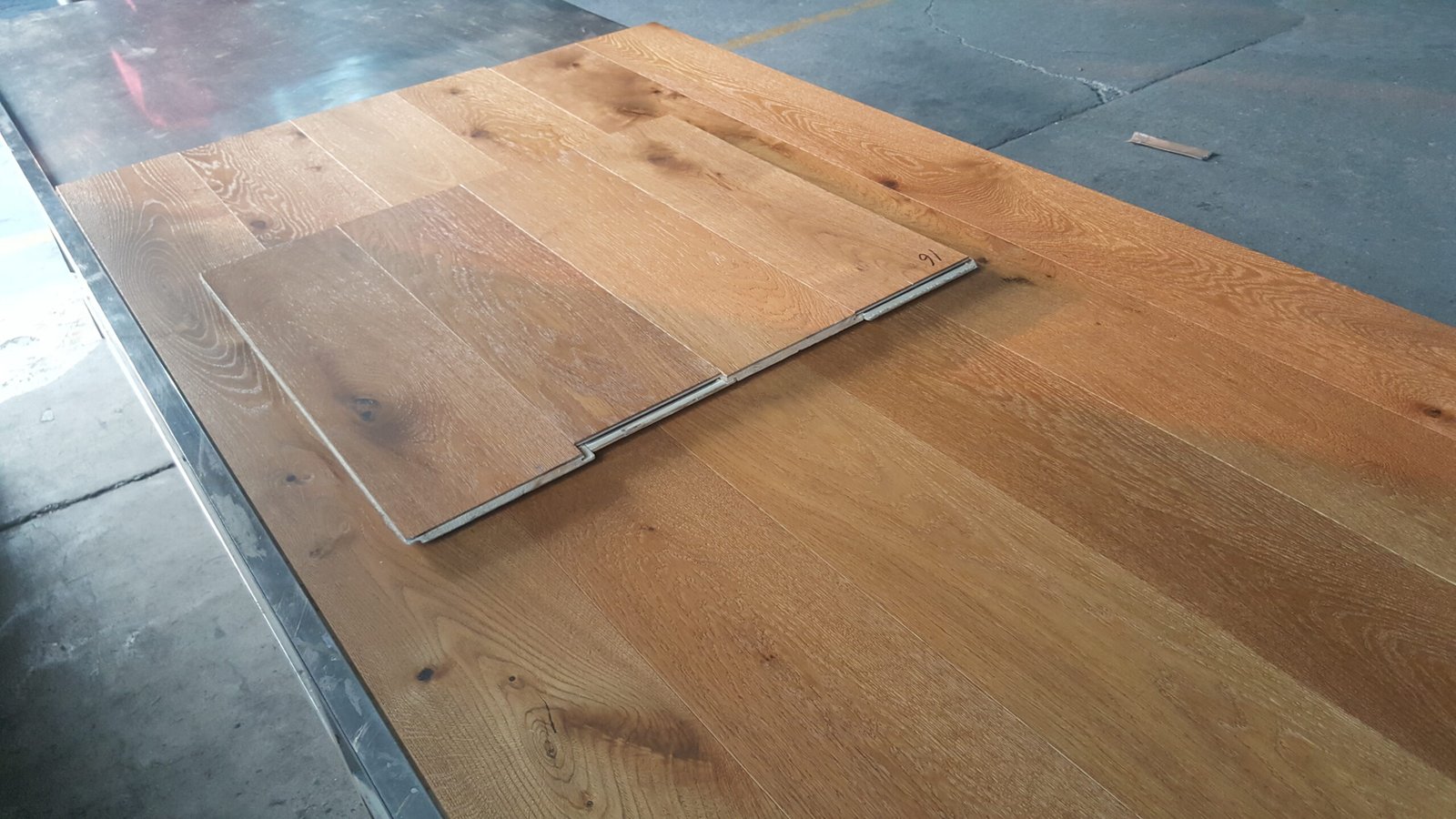
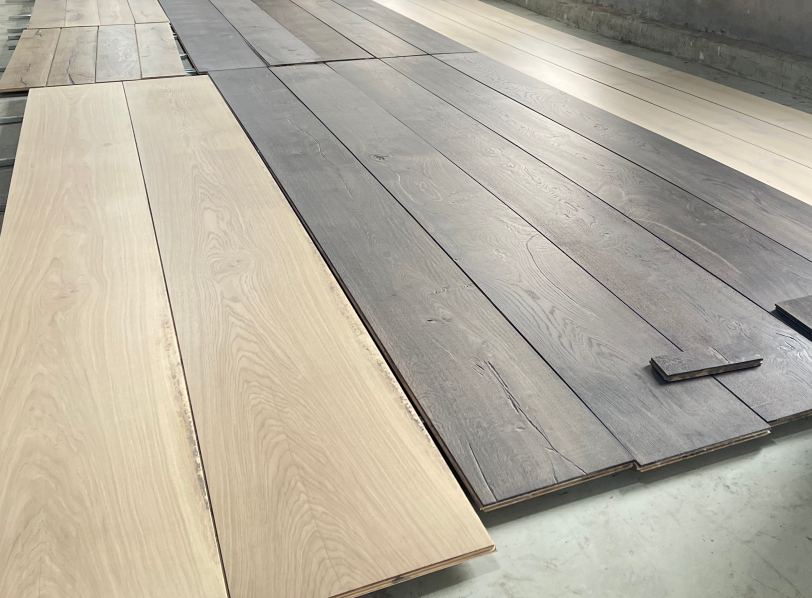
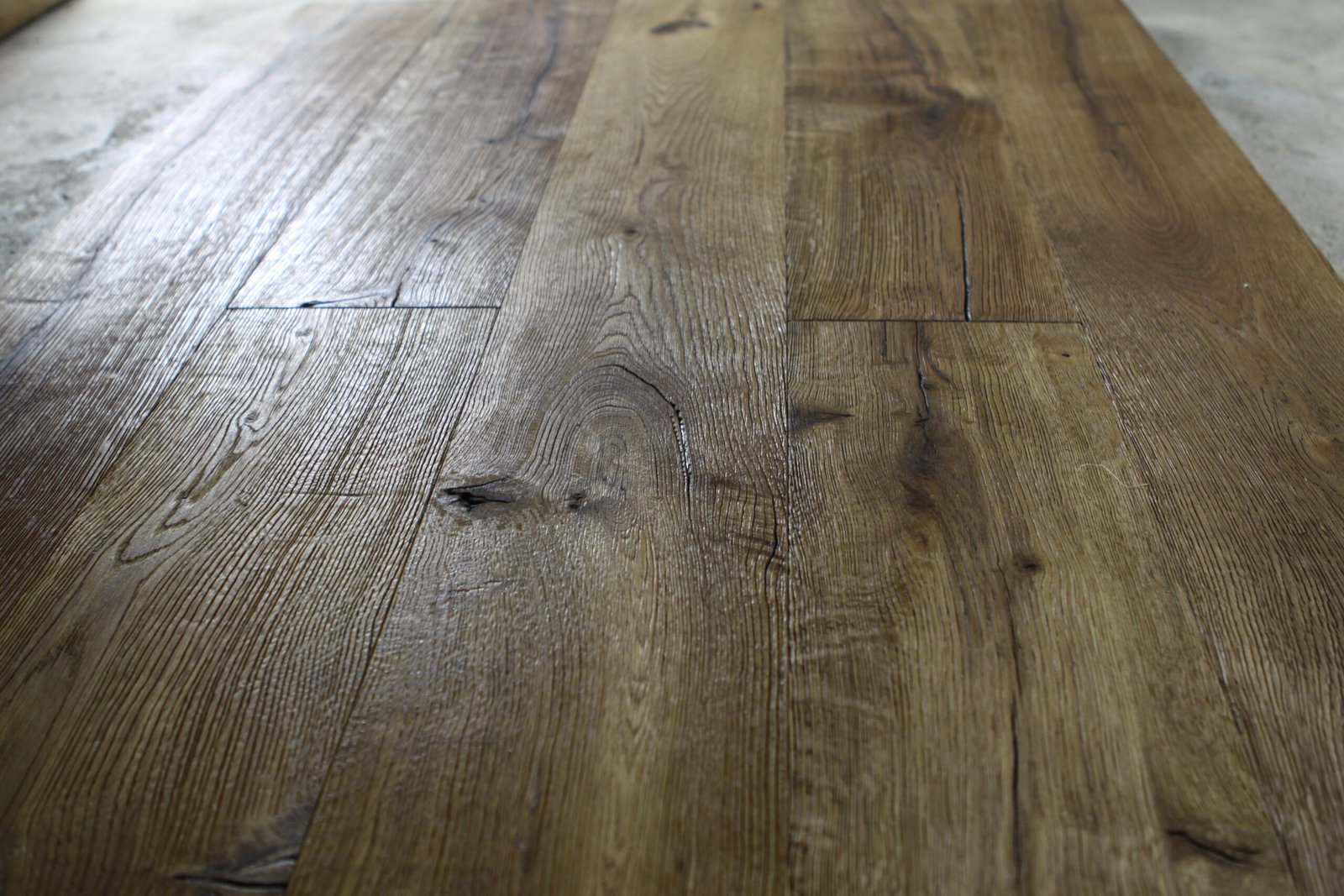
- A wide range of flooring types (solid, engineered, reclaimed, end grain, etc.)
- Custom sizing, thickness, veneer options
- Multiple finishes: UV lacquer, oil, smoked, brushed, etc.
- Pattern options like herringbone, chevron, mosaic, or Versailles
Flexibility is essential, especially for design-driven or high-end spaces.
3. Verify Certifications and Environmental Standards
Reliable suppliers provide verified documentation such as:
- FSC® certification (for responsibly sourced wood)
- CARB Phase 2 / EPA TSCA Title VI compliance (low formaldehyde)
- CE, ISO, or other country-specific safety standards
These prove the products are safe, durable, and suitable for global markets.
4. Confirm Production Capacity and Lead Times
For large projects, production efficiency is critical. Ask your supplier:
- What is their monthly output capacity?
- Do they produce upon order or keep stock?
- How long is the typical lead time?
At our factory, we follow a make-to-order model, allowing us to tailor production to each client’s needs while maintaining consistent delivery timelines.
5. Assess Communication and After-Sales Service
Strong communication and reliable after-sales service are often overlooked but vital:
- Is there a dedicated English-speaking sales rep?
- How responsive is the team to changes or concerns?
- Do they offer support for shipping, customs, or replacements?
These services can save you from unexpected costs or delays.
Conclusion
Choosing the right flooring supplier for your project isn’t just about price—it’s about reliability, customization, certifications, and long-term support. Take the time to vet suppliers carefully and prioritize those who are transparent, experienced, and production-ready.